
 EN
EN



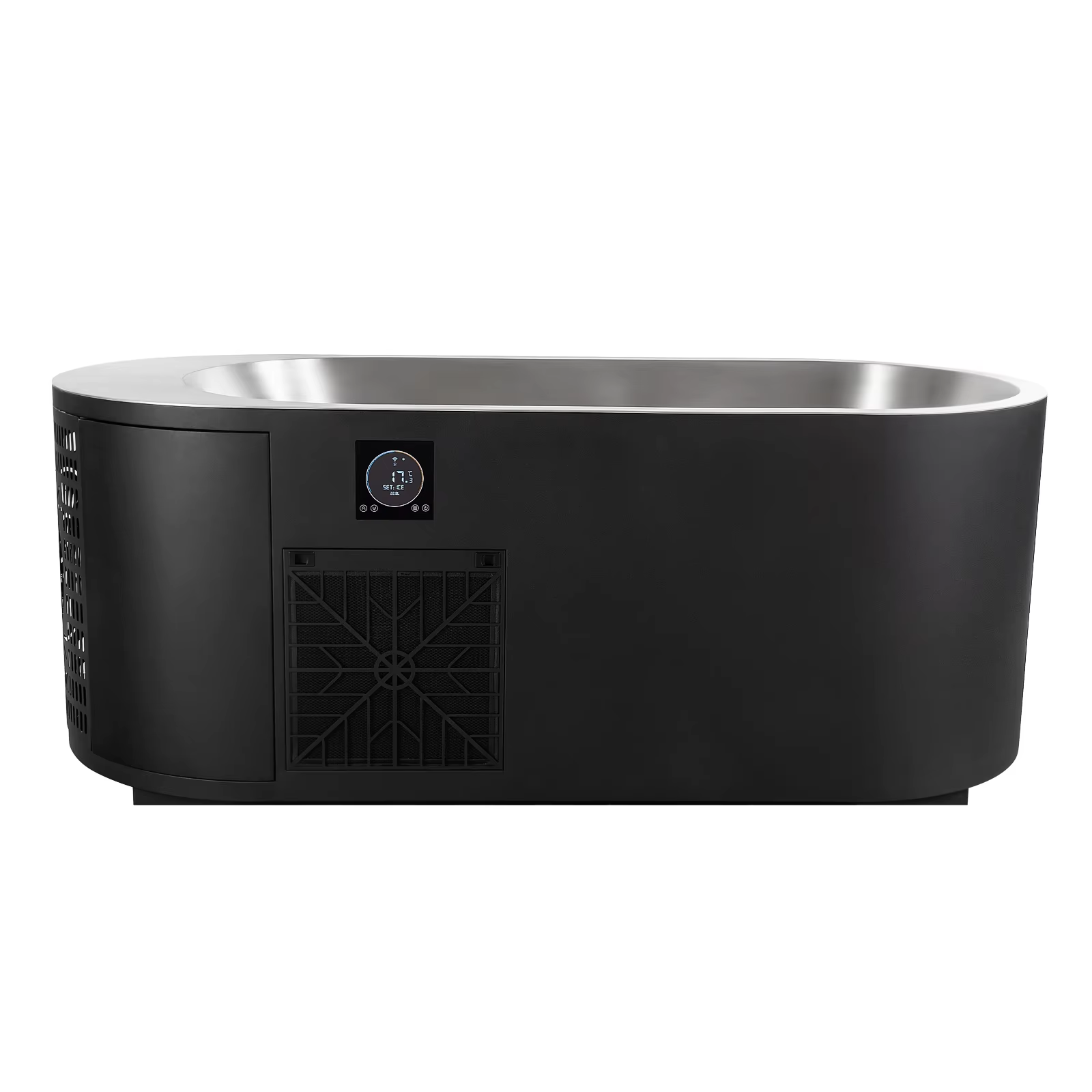
Filtration: The Foundation of Clean Ice Bath Water
Ice baths with chiller and filter systems rely on advanced filtration to maintain hygienic water conditions. By combining mechanical filtration, chemical adsorption, and continuous circulation, these systems remove contaminants while inhibiting microbial growth—a critical advantage over traditional ice baths requiring daily water changes.
Understanding Water Filtration in Ice Bath with Chiller and Filter Systems
Multi-stage filtration works synergistically with chilling components to address both particulate matter and dissolved contaminants. As water cycles through the system:
- Pre-filters capture large debris like hair and skin cells (50–200 microns)
- Primary filters remove finer particles down to 20 microns
- Activated carbon media adsorbs oils, lotions, and organic compounds
This layered approach ensures 85–90% contaminant removal before water reaches secondary sanitization stages, according to Water Quality Association 2023 guidelines.
Types of Filtration Media Used to Remove Impurities and Bacteria
| Media Type | Contaminant Target | Replacement Frequency |
|---|---|---|
| Pleated polyester | Particulates ≥20 microns | Every 2–4 weeks |
| Activated carbon | Organic compounds | Every 6–8 weeks |
| Ceramic elements | Bacterial cysts | Semi-annually |
High-performance systems often combine these media types, with ceramic filters providing additional protection against Cryptosporidium and Giardia—pathogens resistant to standard chlorine treatments.
Role of Circulation Pumps in Sustaining Water Cleanliness
Variable-speed circulation pumps maintain flow rates of 8–12 gallons per minute (GPM), ensuring:
- Complete water turnover every 45–60 minutes
- Uniform distribution of chilled temperatures
- Consistent filtration velocity through media layers
This continuous movement prevents biofilm formation in plumbing lines, addressing a key contamination risk in static water systems.
Recommended Filter Cleaning and Maintenance Schedule for Optimal Hygiene
| Component | Maintenance Task | Frequency |
|---|---|---|
| Pre-filter basket | Rinse under high-pressure | After each use |
| Primary filter | Backwash/chemical clean | Weekly |
| Carbon cartridge | Full replacement | 60 days |
| Pump seals | Lubrication check | Monthly |
Adherence to this schedule maintains 94–97% filtration efficacy compared to 62–75% in poorly maintained systems (Hydrotherapy Systems Journal 2023). Always power off the chiller during maintenance to prevent ice formation in filter housings.
Chiller-Integrated Sanitization: Preventing Microbial Contamination
Ozone and UV systems in ice bath with chiller and filter: How they kill microorganisms
Ice baths equipped with chillers and filters now commonly incorporate ozone generators along with UV-C lighting to kill off harmful microbes. The ozone works by breaking down microorganism cell walls through oxidation processes, whereas the UV light specifically targets bacteria at around 254 nanometers wavelength disrupting their DNA. According to a recent 2023 study about water safety issues, when these two approaches are used together, there's an impressive reduction rate of nearly 99.8% for Legionella bacteria concerns.
Comparing UV and ozone sterilization effectiveness in cold plunge setups
| Factor | UV Sterilization | Ozone Sanitization |
|---|---|---|
| Bacteria/Virus Removal | 99.9% effectiveness | 85–95% effectiveness |
| Maintenance | Bulb replacement every 10–12 months | Module refresh every 18 months |
| Residual Effect | None | Lingering oxidative action |
| Debris Handling | Requires pre-filtration | Breaks down organic particles |
Chemical vs. non-chemical sanitization: Balancing safety and performance
While traditional chlorine/bromine treatments prevent biofilm formation, 42% of cold plunge users report skin irritation from chemical residues (Aquatic Health Journal 2023). Integrated ozone/UV systems eliminate this tradeoff by providing microbial control without harsh additives—a critical advantage for athletes with sensitive skin or respiratory concerns.
Why integrated sanitization reduces reliance on chlorine and bromine
By continuously circulating water through UV/ozone chambers, advanced ice bath with chiller and filter setups lower chemical disinfectant requirements by 70–80%. This hybrid approach meets commercial hygiene standards while avoiding the corrosive effects and pH instability associated with heavy halogen use.
Cold Water as a Natural Barrier to Bacterial Growth
How Low Temperatures Inhibit Bacterial Proliferation in Ice Bath Water
When using an ice bath system with both a chiller and filter, the cold water creates conditions where bacteria struggle to survive because their metabolic processes slow down significantly. Studies conducted at Michigan State indicate that dangerous microbes generally grow best at temperatures between about 41 to 135 degrees Fahrenheit, warmer than the 40-50 degree range seen in most chilled plunge pools. These colder temps can cut bacterial reproduction rates nearly in half, meaning contaminants take longer to build up.
Synergy Between Cold Temperature and Filtration for Enhanced Hygiene
When cold water below 50 degrees Fahrenheit meets multi-stage filtration, it forms a two-pronged attack on unwanted contaminants. Chilly temps slow down microbes, while activated carbon grabs hold of organic gunk that would feed bacterial growth. Lab experiments simulating ice bath scenarios found that combining chillers with 10 micron filters work about 90 percent better at maintaining cleanliness than regular setups without cooling.
User Hygiene and Infection Control in Shared Ice Bath Setups
Assessing Cross-Infection Risks in Multi-User Ice Bath with Chiller and Filter Systems
When multiple people share ice baths, keeping things clean becomes a real challenge. Bacteria such as Pseudomonas aeruginosa and Staphylococcus aureus can persist even when the water is cold. A study published in the Journal of Water Health found that shared systems used daily by three or more individuals face roughly 40% higher contamination risks if not properly maintained. Some newer ice baths come equipped with chillers and filters to combat these issues using ozone and UV light treatments alongside microfiltration technology.
Best Practices to Prevent Skin Infections and Irritations from Contaminated Water
Three strategies optimize safety in shared environments:
- Pre-immersion protocols: Mandate thorough showers and ban oils/lotions to reduce organic contaminants
- Real-time monitoring: Use IoT sensors to track free chlorine (0.5–1.0 ppm) and pH levels (7.2–7.8)
- Post-use decontamination: Wipe high-touch surfaces with NSF-certified hydrogen peroxide solutions
A 2024 wellness industry study found facilities combining these measures with weekly filter replacements reduced dermatitis cases by 67%.
Continuous Water Quality Management: The Key Benefit of Ice Bath with Chiller and Filter
How Constant Circulation and Real-Time Purification Maintain Health-Safe Water
Today's advanced ice baths come equipped with chillers and filters that keep water moving constantly to prevent stagnation. The pumps run the whole tank through the filtration system about every minute and a half. These systems often include ozone treatment or UV-C light technology for additional cleanliness, killing nearly all contaminants right away, which keeps the bath fresh without frequent cleaning.
Impact of Usage Frequency and Water Temperature on Sanitation Needs
Cold plunge pools with high usage frequency need filters changed 40% more often than typical home units. Chilling water to around 50 degrees Fahrenheit significantly reduces bacteria growth compared to regular temperature systems. Nevertheless, commercial facilities with frequent plunges generally need to combine UV light and ozone treatments to stay within World Health Organization standards for recreational waters.
Eco-Friendly Ozone/UV vs. Chemical Dependence: Resolving the Purification Debate
Third-party testing reveals ozone/UV systems reduce chlorine use by 83% while maintaining equivalent disinfection performance in properly maintained ice baths. However, chemical sanitizers are still necessary supplements when turbidity exceeds 5 NTU, particularly in hard water environments.
FAQ
What types of filtration media are commonly used in ice baths with filters?
Common filtration media include pleated polyester for particulates, activated carbon for organic compounds, and ceramic elements for bacterial cysts.
How often should the filters be replaced in these systems?
Pleated polyester filters should be replaced every 2–4 weeks, activated carbon every 6–8 weeks, and ceramic elements semi-annually.
What is the benefit of using ozone and UV systems in ice baths?
Ozone and UV systems provide effective microbial control without harsh chemical additives, making them ideal for those with sensitive skin or respiratory concerns.
Why is it important to maintain low temperatures in ice baths?
Low temperatures inhibit bacterial growth by slowing down their metabolic processes, making it harder for microbes to thrive in chilled water conditions.
How does constant circulation enhance water cleanliness in ice baths?
Constant circulation prevents stagnant areas, ensuring uniform distribution of chilled water and consistent filtration, which reduces biofilm formation.
Table of Contents
- Filtration: The Foundation of Clean Ice Bath Water
-
Chiller-Integrated Sanitization: Preventing Microbial Contamination
- Ozone and UV systems in ice bath with chiller and filter: How they kill microorganisms
- Comparing UV and ozone sterilization effectiveness in cold plunge setups
- Chemical vs. non-chemical sanitization: Balancing safety and performance
- Why integrated sanitization reduces reliance on chlorine and bromine
- Cold Water as a Natural Barrier to Bacterial Growth
- User Hygiene and Infection Control in Shared Ice Bath Setups
- Continuous Water Quality Management: The Key Benefit of Ice Bath with Chiller and Filter

