
 EN
EN



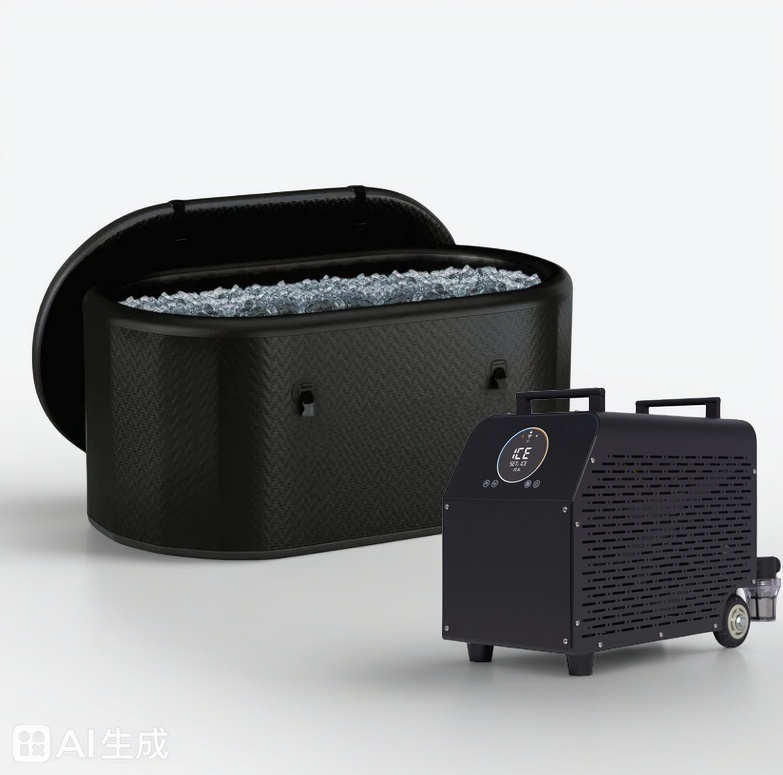
Temperature Precision and Therapeutic Reliability
How Cold Plunge With Chiller Delivers Stable Sub-10°C Temperatures Hour After Hour
Cold plunge systems equipped with built-in chillers keep the water at just the right temperature thanks to their closed loop thermal control system. These modern units use thermoelectric cooling combined with digital thermostats to constantly check and tweak the water temp, usually staying within half a degree Celsius either way. That means no gradual warming that happens with older passive systems. Keeping things below 10 degrees Celsius is actually pretty important for getting the full benefits from cold therapy according to studies. Some research shows that if the temperature drifts even two degrees off target, it can cut down on blood vessel constriction effectiveness by around forty percent. That's why getting those temperatures right really counts. The chiller itself moves water through specially insulated tubes and sealed circuits so outside heat doesn't sneak in and mess things up like it does with traditional ice based systems.
Why Traditional Ice Baths Suffer from Rapid Temperature Drift and Unpredictable Recovery
Regular ice baths tend to warm up between 5 and 8 degrees Celsius over about 90 minutes because the ice doesn't melt evenly. What starts at around the ideal 4 degrees often ends up closer to 12 degrees by the time someone finishes their session. There are basically three reasons why this happens. First, there's the whole thing about how much surface area is exposed to heat. Then we get into the problem where ice isn't spread out properly, leaving some spots warmer than others. And let's not forget about still water sitting there, which creates conditions for bacteria to grow. These temperature swings lead to all sorts of mixed results when it comes to how our bodies respond. Athletes notice different heart rate variability readings even when they do exactly the same cold plunge twice in a row. This makes it hard to trust recovery protocols and track progress accurately over time.
The CNS and Vascular Impact: Why Consistency Matters for Repeatable Physiological Outcomes
How consistently temperature is maintained plays a big role in how our body's automatic systems respond and how blood vessels adapt. When temperatures vary more than 1 degree Celsius between sessions, it cuts down on sympathetic nervous system activity by around 30 percent. This variability also messes with nitric oxide signals and can slow down capillary responses by as much as 22 seconds. On the flip side, keeping temperatures below 10 degrees Celsius creates reliable stimulation of the vagus nerve and predictable changes in blood flow distribution, which are important for reducing inflammation throughout the body. Research indicates that maintaining temperature within half a degree Celsius range leads to about 71% better control over cortisol levels and nearly three and a half times more consistent results when it comes to improving pain thresholds compared to methods where temperature fluctuates. What this means is that cold therapy moves beyond just feeling good temporarily and becomes something that can be reliably repeated for actual healing benefits.
Operational Efficiency: Time, Hygiene, and Maintenance
Cold Plunge With Chiller Eliminates Daily Ice Logistics—From Hauling to Monitoring
Getting traditional cold baths set up means buying tons of ice every day, then storing it somewhere and dragging it around when needed. This whole routine takes anywhere from half an hour to almost forty five minutes each time someone wants to use the bath, plus dealing with ice that melts at different rates depending on the weather. Cold plunges equipped with chillers completely change the game by automating all that refrigeration work. These systems keep water below ten degrees Celsius consistently without anyone needing to check on them constantly. People who switch to these systems stop spending money on ice which can cost between fifty and one hundred fifty dollars a week. They also save themselves from having to monitor everything manually. The real bonus? Those saved hours add up fast. Instead of wasting fifteen plus hours a month just managing ice logistics, users get that time back for actual recovery purposes.
Integrated Filtration and UV Disinfection vs. Stagnant, Bacteria-Prone Ice Bath Water
Ice bath water that sits still quickly turns into a breeding ground for pathogens. According to CDC reports, levels of Pseudomonas aeruginosa can hit over 200 CFU per milliliter within just a few hours after setting up the bath. Modern chillers come with several cleaning steps built right in. First there's mechanical filtration that takes out all the organic stuff floating around. Then comes UV-C light treatment which kills off about 99.9 percent of microorganisms without needing any harsh chemicals. Finally, ozone gets injected to tackle whatever remains after each session. Traditional ice baths tell a different story though. They require completely replacing the water after only one or two uses, which ends up wasting more than 150 gallons every week. And worse still, people using these older systems face real infection risks from biofilms forming inside those untreated containers.
Total Cost of Ownership Over 12 Months
When thinking about investing in cold therapy options, don't just focus on what's listed on the price tag. Sure, traditional ice baths might seem cheaper at first glance, but they come with hidden expenses over time. People often forget about the weekly cost of buying ice which can range anywhere from fifty to one hundred fifty dollars. Plus there's all that water needing replacement every year - easily over a thousand gallons worth. And let's not mention the hassle involved in maintaining these setups. Cold plunge tubs equipped with chillers work differently though. These systems form a closed loop so no need to buy ice bags anymore, plus water usage drops around eighty percent compared to regular methods. Electricity bills will go up slightly too, maybe fifteen to thirty bucks a month depending on usage, along with some money spent on filters now and then. For most folks doing three or more sessions weekly, the total cost works out better with chiller systems after twelve months of operation.
| Cost Component | Traditional Ice Bath | Cold Plunge With Chiller |
|---|---|---|
| Initial Setup | Low ($100–$500) | Higher ($2k–$5k) |
| Monthly Ice | $50–$150 | $0 |
| Water Usage | High (weekly refill) | Minimal (closed system) |
| Electricity | Negligible | $15–$30 |
| Labor Time | 30+ min daily | <5 min weekly |
| Annual TCO | $900–$2,200 | $2,200–$3,500 |
The breakeven point typically occurs within 18–24 months—after which the cold plunge with chiller delivers ongoing operational savings while delivering therapeutic consistency unattainable through manual temperature management.
Installation Flexibility and Infrastructure Integration
Retrofitting Common Vessels—Bathtubs, Stock Tanks, and Custom Troughs—with Cold Plunge With Chiller Loops
Fixed installation cold plunge systems usually need major structural changes, but chillers work differently since they can be deployed in modules. The small size means these chillers fit right into what's already there. They connect through regular plumbing parts to things like old bathtubs sitting unused in garages, those big tanks farmers use for livestock, or even industrial troughs. No need to spend extra money on special fabrication work, plus there's more freedom about where to put everything. Most retrofit kits come with insulated hoses, suction fittings, and controls that let people adjust water flow based on whatever container they're using. Electricians won't have to run special wires either because most models just plug into normal 110 volt outlets. Homeowners find it handy to turn that old bathtub nobody uses anymore into something functional instead of taking up valuable garage space. On farms and in factories, folks often add extra insulation panels to their stock tanks so the cold stays colder longer. What makes this whole system really interesting is watching how something as simple as a cheap farm trough gets upgraded into a professional quality cold therapy station when paired with modern chiller tech. It shows that anyone can get good cold therapy results without breaking the bank or compromising on quality.
FAQ Section
What are the benefits of using a cold plunge with a chiller?
Cold plunge systems with chillers provide a consistent temperature, which is crucial for effective cold therapy. They offer precise control over temperature, ensuring it stays below 10 degrees Celsius, which enhances therapeutic outcomes.
How do traditional ice baths compare to cold plunge systems with chillers?
Traditional ice baths suffer from rapid temperature drift and unpredictable recovery results. Ice bath temperatures can rise quickly, affecting therapeutic benefits. Cold plunge systems maintain consistent temperatures, providing more reliable therapy.
Is the investment in a cold plunge with a chiller worth it?
While initial setup costs for a cold plunge with a chiller are higher, the long-term savings in ice, water usage, and maintenance make it a cost-effective choice over time. They offer operational efficiency and reduce manual efforts in maintenance.
Can chillers be retrofitted into existing bathing systems?
Yes, chillers can be retrofitted into various existing systems such as bathtubs, stock tanks, and custom troughs, making them versatile for different setups without major structural changes.
Table of Contents
- Temperature Precision and Therapeutic Reliability
- Operational Efficiency: Time, Hygiene, and Maintenance
- Total Cost of Ownership Over 12 Months
-
Installation Flexibility and Infrastructure Integration
- Retrofitting Common Vessels—Bathtubs, Stock Tanks, and Custom Troughs—with Cold Plunge With Chiller Loops
- FAQ Section
- What are the benefits of using a cold plunge with a chiller?
- How do traditional ice baths compare to cold plunge systems with chillers?
- Is the investment in a cold plunge with a chiller worth it?
- Can chillers be retrofitted into existing bathing systems?

