
 EN
EN



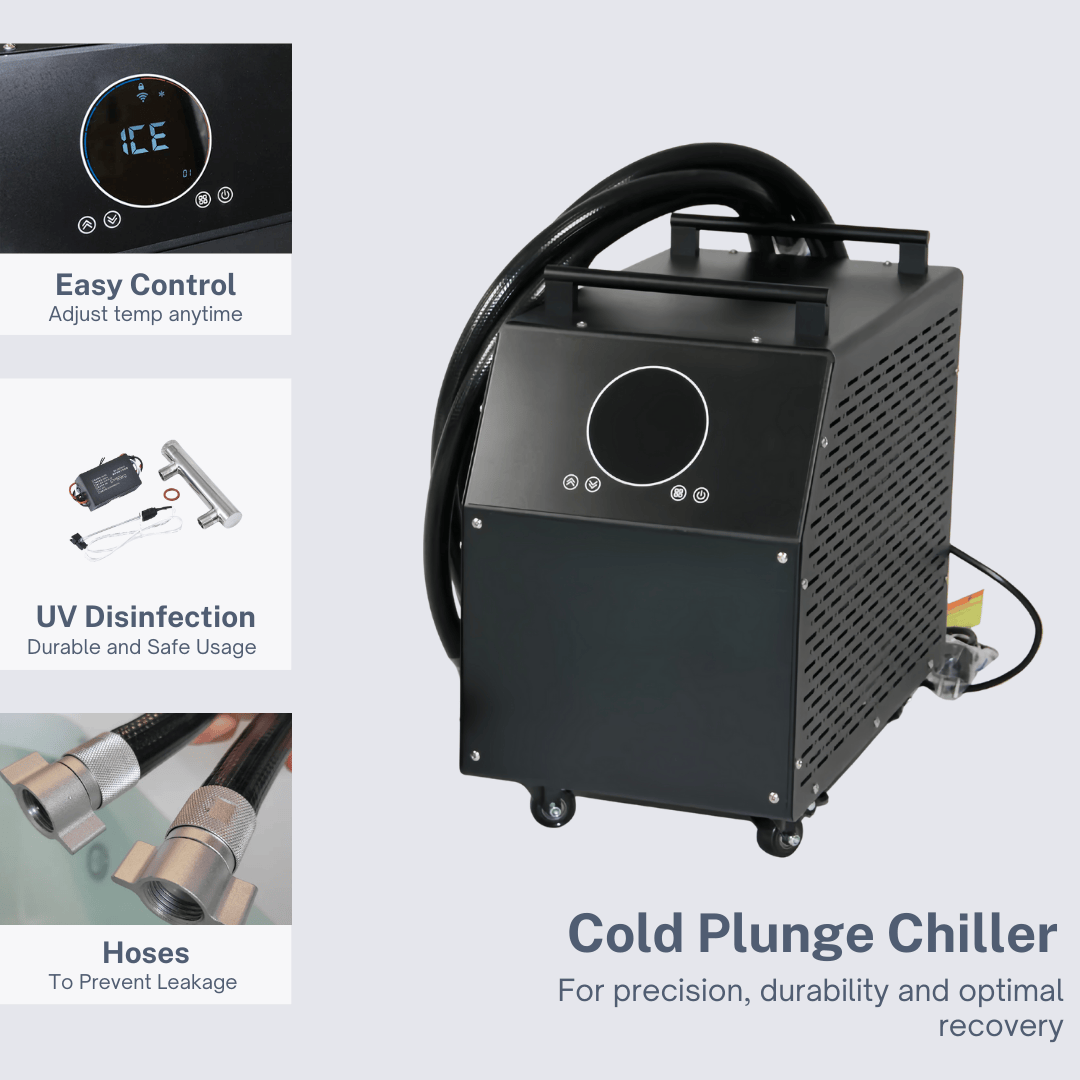
Selecting and Sizing the Right Cold Plunge Chiller and Filter
Matching Chiller Capacity to Tub Volume, Ambient Conditions, and Filtration Load
Proper cold plunge chiller and filter sizing prevents performance gaps and energy waste. Three variables dictate capacity needs:
- Tub volume: A 500L plunge requires ½ HP (horsepower) to reach 4° C (39°F)
- Ambient temperature: Systems in 30°C (86°F) environments need 20–30% more cooling power than those at 21°C (70°F)
- Filtration load: Multi-stage filters add hydraulic resistance, demanding higher pump flow rates (≥1,500 L/hour) to maintain water turnover
Underestimating any factor risks compressor failure or temperature instability. For example, pairing a 1/3 HP chiller with a 750L tub in warm climates forces continuous operation, shortening equipment lifespan by up to 40%—a finding supported by HVAC efficiency research published in ASHRAE Applications Handbook (2023).
Recirculating vs. Immersion Chillers: Impact on Filter Integration and System Efficiency
Recirculating chillers integrate seamlessly with filtration systems, using pressurized plumbing to push water through mechanical and carbon stages. This configuration maintains consistent flow rates essential for ozone sanitation efficacy. However, installation complexity increases costs by 15%.
Direct cooling immersion chillers are easy to set up, though they don't come with built-in filtration ports. Most people end up attaching separate filters outside the unit, something that can mess with how well heat moves through the system and actually makes them consume around 12 to maybe even 18 percent more power. They do run quieter than other options, but when it comes to working with modern sanitation setups in commercial kitchens or food processing plants, these chillers just aren't compatible enough. That creates real problems for keeping bacteria under control where multiple users share equipment. Some high-efficiency versions try to solve this problem by adding UV-C light bulbs inside, but there's a catch: those filters need changing twice as often as what we see in regular recirculating systems, which adds up over time for maintenance costs.
Table: Key operational differences between chiller types
| Feature | Recirculating Chillers | Immersion Chillers |
|---|---|---|
| Filter integration | Built-in ports | Requires add-ons |
| Flow rate | 1,500–2,000 L/hour | ≤1,200 L/hour |
| Temp stability | ±0.5°C variance | ±2°C variance |
| Space needed | 0.5m² external footprint | Internal only |
Optimizing Water Filtration and Sanitation for Cold Plunge Safety
Multi-Stage Filtration (Mechanical, Carbon, Ozone) and Its Role in Cold Plunge Chiller and Filter Synergy
Good water sanitation depends on combining mechanical, carbon, and ozone filtration methods. Mechanical filters catch stuff like skin flakes through those 20-micron screens, holding back around 99% of anything bigger than 20 microns. Carbon filters work differently by grabbing onto organic stuff and unpleasant smells, whereas ozone generators basically destroy bacteria and viruses through oxidation. This layered system cuts down on needing so many chemicals for cleaning and keeps the chillers running smoothly without getting clogged by biofilms. Systems need to be sized right so they don't push water faster than 15 gallons per minute, otherwise pumps get stressed out and temperatures start bouncing around. Keeping things steady at about 4 degrees Celsius matters a lot, and it shows how important it is to have good coordination between the cooling process and the filtration setup.
Key Water Quality Metrics: ORP, Turbidity, and Microbial Limits for Cold Plunge Systems
Keeping track of Oxidation-Reduction Potential (ORP) helps ensure proper sanitation works as intended in real time. When ORP readings hit over 650 millivolts, that generally means pathogens are being effectively neutralized. For water clarity, turbidity needs to stay under 0.5 NTU most of the time. If numbers start climbing, this often points to problems with filters or just too many particles floating around. Regarding microbes, following safety standards set by big names like CDC here in the US and WHO internationally is absolutely critical for recreational waters. These organizations have spent years figuring out what counts as safe levels, so sticking close to their recommendations makes good sense from both health and liability perspectives.
| Parameter | Safe Threshold | Testing Frequency |
|---|---|---|
| ORP | >650 mV | Daily |
| Turbidity | <0.5 NTU | Weekly |
| Microbial CFU | <100/mL | Bi-weekly |
Drain and refresh water every 30 days minimum per industry standards—including those outlined in the NSPF Model Aquatic Health Code—to prevent dissolved solid accumulation and maintain system longevity.
Precision Temperature Control and Its Effect on Cold Plunge Efficacy
Maintaining 2–10°C Stability: How Consistent Cooling Enhances Recovery and Supports Filtration Performance
Getting the water temperature just right makes all the difference when it comes to getting the most out of cold water therapy. Most experts recommend keeping the water somewhere between 2 and 10 degrees Celsius. At these temperatures, blood vessels constrict which actually helps improve circulation while cutting down on inflammation after workouts by about 30 percent according to some studies. The stable temperature also helps muscles recover faster because it activates brown fat in a controlled way. Maintaining consistent coolness is really important for filters too. Cooler water simply doesn't let microbes grow as much and keeps organic stuff from building up inside the system. This means filters last longer and we need less sanitizer overall, maybe around 22% less based on what's been measured. When temps go outside this sweet spot though, everything starts breaking down. Filtration gets worse and hygiene suffers, which shows why controlling temperature matters so much for both effectiveness and clean water.
Proactive Maintenance of Cold Plunge Chiller and Filter Components
Filter Cleaning, Replacement Timelines, and Clogging Prevention Strategies
Keeping filters regularly maintained stops flow problems that can really hurt how well cold plunge chillers and their filters work. For mechanical filters, give them a good cleaning once a week with pressurized water to knock off all the dirt and grime. Carbon filters need replacing every month if we want them to keep grabbing those contaminants effectively. Watch out for pressure gauge readings dropping suddenly because that's usually when something gets clogged. We've seen systems waste around 15 to 20% more energy when maintenance slips. Places where equipment runs constantly should think about adding pre-filters upfront to catch bigger stuff before it even reaches the main filters. Don't forget to check those O-rings and seal around the housing each time we clean everything out. Little cracks or wear there can let contaminants sneak through. All these steps help reduce pump strain and make our equipment last longer since they stop mineral buildup and bacteria from forming inside the filtration system over time.
Daily/Weekly Protocols: Circulation Duration, Hygiene Checks, Cover Use, and Water Refreshment Intervals
Adopt these essential routines to uphold water quality and system integrity:
- Daily: Operate circulation pumps 6–8 hours minimum, verify water clarity before and after use, and secure insulated covers when not in use
- Weekly: Test ORP (>650 mV) and turbidity (<0.5 NTU), scrub tub surfaces with non-abrasive cleaners, and refresh 25% of water volume
- Biweekly: Calibrate temperature sensors and inspect electrical connections for corrosion
Maintain dated logs for all activities to identify performance trends. Consistent partial water replacement minimizes dissolved solids accumulation—slowing component wear and preserving chiller efficiency over time.
FAQ
Why is matching chiller capacity to tub volume crucial?
Matching chiller capacity to tub volume ensures efficient cooling and prevents the system from operating continuously, which can shorten equipment lifespan.
What are the benefits of multi-stage filtration in cold plunge systems?
Multi-stage filtration combines mechanical, carbon, and ozone methods to effectively remove impurities and pathogens, reducing the need for chemical sanitizers and maintaining system efficiency.
How often should cold plunge systems be maintained?
Mechanical filters should be cleaned weekly, carbon filters replaced monthly, and water refreshed every 30 days to prevent issues and maintain optimal performance.
What temperature range is recommended for cold water therapy?
A temperature range of 2–10°C is recommended to enhance recovery, improve circulation, and support effective filtration and sanitation in cold plunge systems.

