
 EN
EN



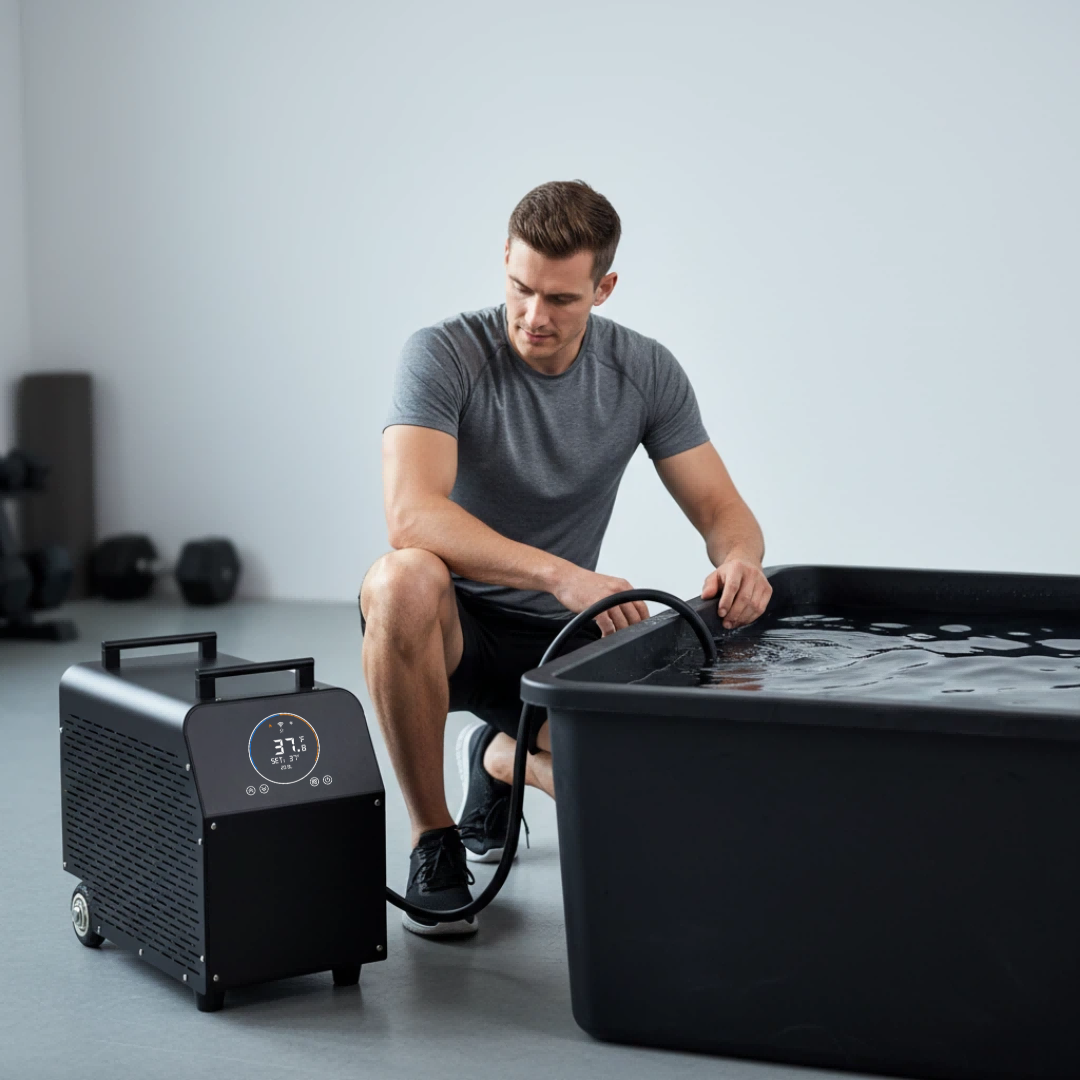
Understanding the Ice Bath Chiller: Cooling Mechanism and Efficiency
How ice bath chillers maintain consistent cold temperatures
Ice bath chillers keep things nice and cold by running on what's called a closed loop refrigeration system. The setup works like this water gets pulled out of the big tub, sent through something called a heat exchanger where refrigerant takes away all the warmth, cools down the water, then sends it back into the bath. What makes these systems great is they run continuously so nobody has to keep adding bags of ice manually. Temperature stays pretty stable too, usually within about one degree Fahrenheit give or take. And if that sounds impressive, wait until we talk about how much better modern versions are compared to older ones. These newer chillers use around 30 percent less energy which means they last longer during those extended cold therapy sessions when athletes really need them most.
Water circulation dynamics in chiller-powered closed-loop systems
Good water movement makes sure everything stays cool evenly in an ice bath setup. Most systems use pumps that push around 10 to 20 gallons per minute, which means the whole system gets refreshed several times every hour. Without this constant mixing, cold water tends to settle at the bottom while warmer stuff rises to the top, creating hot spots we really want to avoid. To keep things running smoothly, operators check flow meters and pressure readings regularly. When water flow drops below normal levels, not only does cooling get worse, but parts of the equipment start working harder than they should, leading to breakdowns down the road.
Matching chiller cooling capacity to ice bath size and ambient conditions
Getting the right size chiller really comes down to three main factors: how much water needs cooling, what temperature we want to reach, and what kind of environment it'll be operating in. Most folks find that around half horsepower works for every 100 gallons if they're keeping things around 50 to 55 degrees Fahrenheit in normal weather conditions. But throw in hotter climates or try going below 45 degrees, and suddenly that initial estimate might need bumping up somewhere between 25% and even 40%. The good news is manufacturers have all sorts of handy sizing charts these days that help pair chillers with actual system requirements. These charts aren't just nice to have either they actually prevent headaches later on when equipment gets overloaded trying to do too much at once.
The Role of Filtration in Ice Bath Water Quality Maintenance
How filtration prevents debris buildup and ensures clean water in ice bath with chiller and filter systems
Keeping water clean in a closed loop ice bath system really depends on good filtration when paired with a chiller setup. The water keeps moving through these multi stage filters that grab all sorts of stuff floating around. We're talking about things like hair strands and skin flakes which are typically between 50 to 200 microns in size, but the filters actually catch even tinier particles down near 20 microns too. When those organic bits get removed regularly, it stops the whole system from getting contaminated. Plus, there's less room for bacteria to grow and multiply. That means people don't have to drain and refill their baths so often. Putting filtration together with cooling makes sense practically speaking. Most folks who run these systems day after day find they maintain cleaner water temperatures for much longer without all the hassle of constant maintenance.
Types of filters used in cold plunge systems: Cartridge, sand, and multi-stage setups
Most cold plunge systems rely on three main types of filters, each designed for different situations. Cartridge filters constructed from pleated polyester or paper materials provide mechanical filtration capabilities ranging from 5 to 20 microns. These are popular choices because they're straightforward to maintain and replace when needed. Sand filters work differently by trapping particles through layered media beds, making them ideal for larger installations like commercial spas or wellness centers that handle significant water volumes daily. For maximum effectiveness, many advanced systems incorporate multiple stages including coarse sediment filters (around 50-100 microns) followed by finer mechanical filtration at 10-25 microns, then finishing with activated carbon components that grab organic contaminants. This combination approach ensures thorough water cleaning while maintaining proper flow rates essential for chillers to operate efficiently without strain.
Sediment traps and pre-filters: Protecting system integrity and flow
The sediment trap and pre-filter setup serves as the frontline in any good filtration system, grabbing big stuff like hair strands and bits of dead skin through either mesh screens or those polypropylene cartridges rated around 50 to 200 microns. Getting rid of this junk upfront stops problems down the line where it matters most for things like pumps, heat exchangers, and those sensitive precision valves. When these preliminary defenses work properly, water keeps flowing smoothly without interruption. The chillers operate better too since there's less strain on them, and everyone wins because both the filters themselves last longer along with all those expensive chiller parts that would otherwise get worn out prematurely from dealing with dirty water.
Integration of Chiller and Filter: How They Enhance Each Other’s Performance
Optimizing water flow: How clean filters improve chiller efficiency
Keeping filters clean matters a lot if we want good water flow in those ice baths connected to chillers and filtration systems. When filters become clogged with debris, they block the water circulation path. This makes the chiller run longer and harder just to keep things cold enough. Some studies suggest that regular cleaning can boost chiller efficiency somewhere around 20 to 25 percent, which means lower electricity bills and less wear on equipment over time. People who maintain their filters regularly notice better water flow through the heat exchanger section, and this generally translates into better cooling performance across the whole system. A quick weekly check usually goes a long way toward preventing major problems down the road.
Preventing heat exchange issues caused by clogged filters
When filters get clogged, they restrict water flow which messes up how well the chiller transfers heat through its exchanger. Water moving too slowly just doesn't let go of that heat properly, so chillers end up running longer than they should while using way more electricity. Maintenance records show that systems with neglected filters often eat up around 30% extra power because their heat exchange isn't working right. Regular checks on those filters and timely replacements make all the difference. Keeping filters clean maintains steady cooling performance and saves money on energy costs over time. Most technicians will tell anyone who asks that this simple maintenance step pays for itself many times over.
System synergy: How proper integration extends equipment lifespan
When chillers and filtration systems are properly combined, they create a partnership that makes everything last longer and run better. Good filtration catches all sorts of dirt and debris before they can get to those delicate parts inside the cooling system. This helps prevent problems like scale forming on surfaces, metal starting to rust, and moving parts wearing down over time. The whole system just puts less strain on important components like pumps and heat exchangers. According to industry reports, when these systems are set up right, maintenance calls drop by around 40%, and the entire setup tends to stay functional about 50% longer compared to systems where filtration wasn't given enough attention. These improvements translate directly into money saved over years of operation while keeping performance consistent day after day.
Sanitization Strategies: Combining Filtration with Ozone and UV in Cold Plunge Systems
Chiller-integrated sanitization: Preventing microbial growth in cold water environments
Cold temps definitely slow down microbes, but chillers with built-in sanitation actually fight back against bacteria and those pesky biofilms. Take a look at what's happening these days - lots of newer systems have ozone generators tucked inside or UV lights working overtime in the chiller itself. These setups keep running their cleaning routine all the time. What does this mean? Cleaner water stays cleaner even when filters aren't doing their thing, and it stops germs from taking over the inner parts of equipment. Plus, nobody has to deal with harsh chemicals like chlorine or bromine anymore. A big plus for maintenance folks who hate dealing with corrosive stuff.
Ozone generators and their role in disinfecting water post-filtration
Ozone generators take regular oxygen from the air and convert it into O3, which has strong oxidizing properties that kill off bacteria, viruses, and all sorts of organic stuff in water. The thing about ozone is that it really shines when bigger particles have already been filtered out first. That's why it pairs so well with mechanical filters, as it goes after those stubborn pathogens and helps make water clearer too, without any leftover chemicals or residue. Research indicates that ozone can knock out around 80 to 95 percent of those nasty microbes typically found in water supplies. Plus, it breaks down those organic compounds responsible for cloudy water appearance. For anyone setting up a cold plunge area where chemical treatments aren't wanted, ozone offers a pretty good solution for keeping things clean without adding anything artificial.
UV purification paired with cartridge filters for comprehensive pathogen control
When UV purification works alongside cartridge filtration, it creates an extra strong barrier against bad stuff in water, killing off about 99.9% of those tiny organisms we don't want. The way UV works is pretty cool actually. It messes with the genetic material inside bacteria and viruses so they can't multiply anymore, all while leaving the actual water composition untouched. But here's the catch: before hitting the UV system, water needs to go through some kind of pre-filter first, usually a cartridge type filter. This step removes little bits and pieces that might otherwise block the UV light from reaching all the microbes hiding there. Putting these two methods together gives really good protection against disease-causing organisms. Water stays clean and safe without needing lots of chemicals added in, which is a big plus for many people concerned about what goes into their drinking water.
Essential Components and Maintenance for a Fully Functional Ice Bath System
Integrating pump, chiller, and filter for seamless operation
In an ice bath setup with both chiller and filter, the pump, chiller, and filter work together as the main trio, keeping everything running smoothly. The pump moves water back and forth between the container and chiller unit. At the same time, the filter takes care of dirt and particles, while the chiller does what it says on the tin by cooling down the water. Getting these parts connected right means using those sealed connections so there's no loss of pressure or annoying leaks developing over time. A well put together system will keep temperatures stable most of the time, provide clean water for whatever application, and generally just keep working without constant maintenance issues popping up.
Routine maintenance: Cleaning filters and preventing biofilm in chiller systems
Keeping things running smoothly means regular maintenance just cant be skipped if we want good efficiency and clean operations. Most folks find that cleaning or swapping out filters every couple of weeks works best, maybe even sooner if the system sees heavy action. When dirt builds up inside those filters, it blocks proper flow and makes the whole chiller work harder than necessary. Preventing biofilms takes more than just filter care though. We need to get into those internal parts now and then too since bacteria love to hang out there even when temps are low. Stick to what the manufacturer says about maintenance intervals and everyone benefits in the long run. Equipment lasts longer, breakdowns happen less often, and most importantly nobody gets sick from contaminated systems.
Monitoring water clarity, chemical balance, and system performance
Keeping an eye on water clarity, chemical balance, and how the system performs day to day helps keep everything running smoothly over time. When the water stays clear, that usually means the filters are doing their job right. Test strips come in handy for checking if there's enough sanitizer in the mix. Looking at things like steady temperature readings, regular water flow through the system, and making sure the pumps aren't making strange noises tells us whether everything works as intended. Taking these steps before problems happen actually saves money in the long run by preventing premature equipment failure. Plus, patients get consistently good results from their cold therapy sessions without worrying about water quality issues.
FAQ
What is a closed loop refrigeration system in ice bath chillers?
A closed loop refrigeration system in ice bath chillers is a mechanism where water is continuously circulated through a heat exchanger to remove warmth, cool it down, and return it to the bath, ensuring consistent cold temperatures without manual intervention.
Why is regular cleaning of filters important in ice bath systems?
Regular cleaning of filters is essential to maintain efficient water flow and cooling performance. Clogged filters block circulation, causing the chiller to work harder, consuming more electricity and potentially leading to equipment breakdowns.
How do ozone generators enhance water quality in ice bath systems?
Ozone generators improve water quality by converting oxygen into ozone, which kills bacteria, viruses, and organic compounds without leaving chemical residues, making them an effective sanitization option post-filtration.
What types of filters are commonly used in cold plunge systems?
Cold plunge systems typically use cartridge filters, sand filters, and multi-stage setups for different needs. Cartridge filters provide mechanical filtration, sand filters trap particles via media beds, and multi-stage filters offer thorough cleaning through multiple filtration levels.
Table of Contents
- Understanding the Ice Bath Chiller: Cooling Mechanism and Efficiency
- The Role of Filtration in Ice Bath Water Quality Maintenance
- Integration of Chiller and Filter: How They Enhance Each Other’s Performance
- Sanitization Strategies: Combining Filtration with Ozone and UV in Cold Plunge Systems
- Essential Components and Maintenance for a Fully Functional Ice Bath System
- FAQ

