
 EN
EN



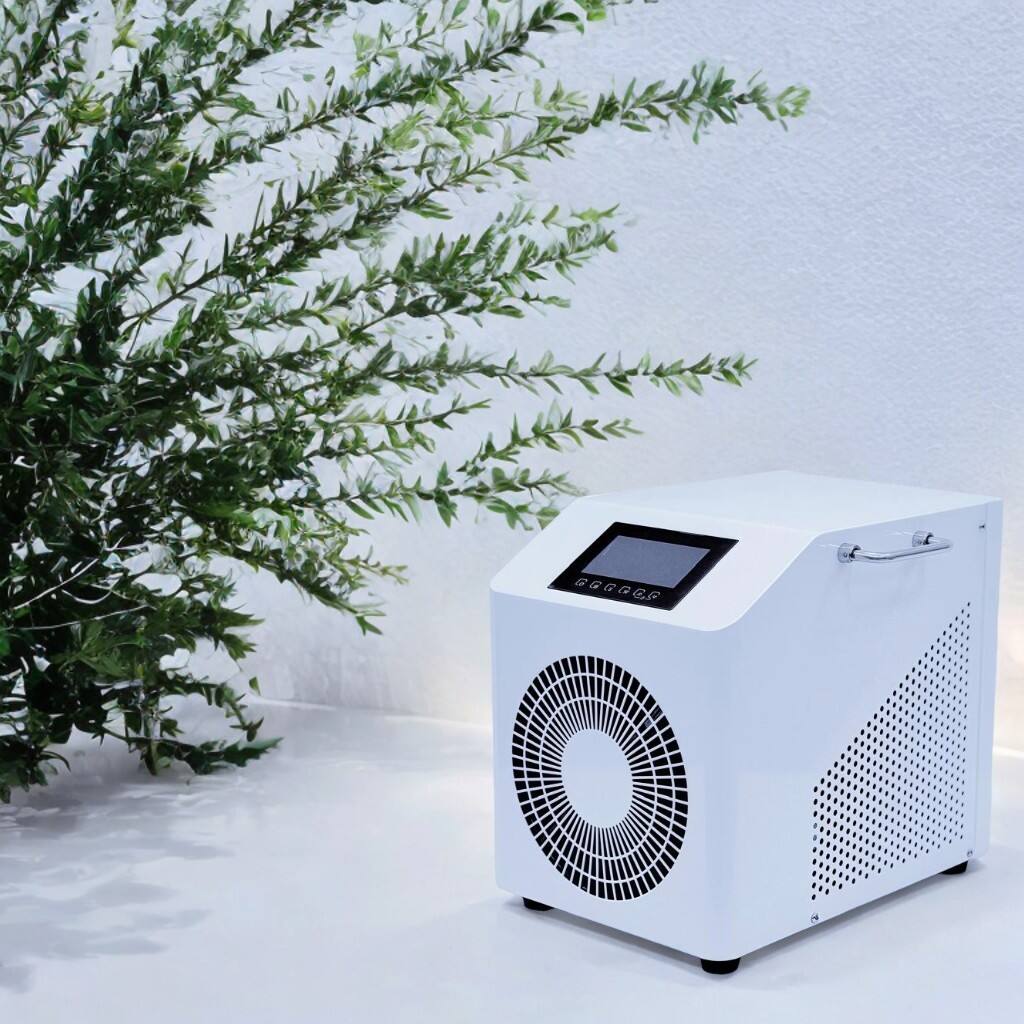
Right-Size Your Cold Plunge Water Chiller for Efficiency and Performance
Getting the right size for chillers saves money on energy bills and keeps things cool quickly and consistently throughout operations. When chillers are too small they work harder than necessary just to hit those temperature targets, which cuts down their life expectancy and raises running expenses over time. Big chillers aren't better either because they tend to cycle on and off too frequently, putting stress on the compressor components and driving up power consumption. Finding that sweet spot between cooling capability and system efficiency matters most in tight spaces where there's limited room for proper air circulation, good insulation materials, or easy maintenance access points for technicians.
Matching BTU/h Capacity and Horsepower to Tub Volume (50–100 Gallons)
The amount of cooling needed depends on how much water there is and how big a temperature change we want. Most people who set up cold plunge tubs around 50 to 100 gallons usually find that chillers rated between 5,000 and 8,000 BTUs per hour work just fine. These are generally powered by compressors ranging from about three quarters of a horsepower up to 1.5 horsepower. When looking at what's actually happening in real world tests, going beyond 1.5 horsepower doesn't really make much difference for smaller systems under 150 gallons. What happens instead is that the energy bill goes up somewhere between 22% and 37%, but nobody notices any real improvement in how fast things cool down or how stable the temperature stays once it gets there.
Understanding Temperature Drop Targets and Ambient Heat Load Impact
The majority of folks aim for around 39 to 55 degrees Fahrenheit (that's about 4 to 13 Celsius), but keeping things at that temperature range has less to do with how powerful the chiller is and more to do with controlling the heat coming in from outside. When the surrounding air gets warmer than 75 degrees, the system just doesn't work as well anymore. Studies show that for every ten degree increase past that point, cooling efficiency drops somewhere between 15 and 20 percent according to what was found in last year's HVAC industry report. Insulating pipes, tank walls, and making sure those seals on lids are tight actually helps retain cold better than simply getting a bigger chiller unit would.
Why Oversizing a Cold Plunge Water Chiller Hurts Efficiency in Compact Setups
When chillers are too big for the job, they tend to short cycle all the time. The compressor keeps turning on and off repeatedly, never getting a chance to run properly or reach those ideal temperature and pressure levels it needs. What happens? Well, this kind of operation actually uses about thirty percent more energy than necessary while also wearing out the equipment much faster. Most folks don't realize their compressors might last two to four years less because of this problem. Some independent tests have looked into this matter though. They found that smaller units ranging from quarter horsepower to one horsepower work just fine for cooling tanks under 100 gallons. These compact models won't overload home electrical systems either, and they take up far less room for air circulation compared to bigger alternatives.
Optimize Physical Integration: Space-Saving Cold Plunge Water Chiller Configurations
Integrated vs. Modular Designs: Footprint, Service Access, and Installation Flexibility
When it comes to integrated chillers, they actually build the cooling parts right into the tub itself. This cuts down on overall space needed by somewhere between 35 to 45 percent compared with those modular systems according to some recent studies from thermal engineers in 2023. These compact units work really well in small areas such as home workout rooms or tiny living spaces, but there's one catch - regular maintenance needs access from the front panel. On the flip side, modular designs give installers more flexibility since individual parts can go around walls and other obstructions during setup. However, these separate components take up about 10 to 15 square feet extra on the floor, which becomes a big deal in places under 150 square feet. Most people who like doing things themselves tend to gravitate toward modular options because of how easy it is to route pipes where needed. Still, when every inch counts, integrated models beat them out for better heat management and quieter operation overall.
Built-In vs. External Chillers: Ventilation, Clearance, and Indoor Placement Tradeoffs
When installed properly, built-in chillers get rid of all those unsightly components and make things quieter inside, though they do need special ductwork to vent out the heat. If someone skips installing adequate ventilation, energy bills can jump by around 18% according to what the HVAC folks are saying these days in 2024. On the other hand, external units work differently since they depend on air moving naturally around them. These models typically require at least two feet of open space around their entire perimeter, which means they won't fit nicely tucked away in tight corners or behind furniture where most people would prefer to hide them. When thinking about putting one of these systems inside a home, there are definitely some spatial challenges to consider ahead of time.
| Factor | Built-In | External |
|---|---|---|
| Ventilation | Requires ducting | Natural convection |
| Clearance | Zero side space needed | 3 ft minimum recommended |
| Noise Transfer | 15–20 dBA lower | Higher ambient exposure |
External models suit garages or patios where space and ventilation are abundant; built-in configurations excel in climate-controlled interiors—provided ducting and service access are planned during installation. Regardless of configuration, refrigerant valves, air filters, and electrical connections must remain readily accessible.
Meet Real-World Small-Space Operational Requirements
Noise Management: Sound-Dampening Tech for Residential or Apartment Use
The noise from chillers really affects how comfortable people feel in their homes, especially in apartment complexes and other multi-family dwellings. When these units go over 60 decibels, they start causing problems for folks in nearby rooms or even next door neighbors. To cut down on this annoyance, there are several good solutions available. Putting some kind of isolation material around the compressor can reduce that constant humming sound by roughly half. Also worth considering are those variable speed fans that keep things cool without making those sudden loud noises when they kick in at full power. For best results, look for systems that operate at 55 decibels or lower. That's about as quiet as light rain falling outside, which makes all the difference in maintaining peace and quiet in apartments, condos, and any place where multiple people share walls.
Electrical Compatibility, Ventilation Needs, and Climate-Adjusted Performance Loss
Make sure the electrical circuit can handle what the chiller needs for voltage, usually either 120 volts or 240 volts. If there's a mismatch between what the unit requires and what's available, problems happen fast – think voltage drops, lower efficiency overall, and parts breaking down sooner than they should. Every chiller needs space behind it too, around 12 to 18 inches minimum, so heat can escape properly. This matters even more inside buildings because when warm air gets trapped and circulates back, it really hurts how well the system performs. For places with hotter weather, every degree Fahrenheit above 75°F makes the compressor work harder by roughly 2 to 3 percent. That extra strain wears things out faster and means longer wait times for things to cool down. Some modern units come equipped with smart controls that actually compensate for climate changes by adjusting fan speeds and refrigerant flow rates automatically, keeping temperatures stable without putting too much stress on the electrical system. Before plugging anything in though, get someone qualified like a licensed electrician to check if outlets match specifications, verify proper grounding, and ensure circuits aren't already overloaded.
FAQ Section
What is the optimal BTU/h capacity for a cold plunge chiller?
For cold plunge tubs holding between 50 and 100 gallons, chillers rated between 5,000 and 8,000 BTUs per hour are sufficient.
Why is oversizing a chiller problematic?
Oversizing causes constant on-off cycling, which increases energy consumption by about 30% and reduces the lifespan of the compressor.
How does ambient air temperature impact chiller efficiency?
If the surrounding air exceeds 75°F, cooling efficiency can drop by 15 to 20%.
What are the key considerations when installing a built-in chiller?
Proper ductwork for ventilation is crucial to prevent increased energy bills and ensure optimal performance.

