
 EN
EN



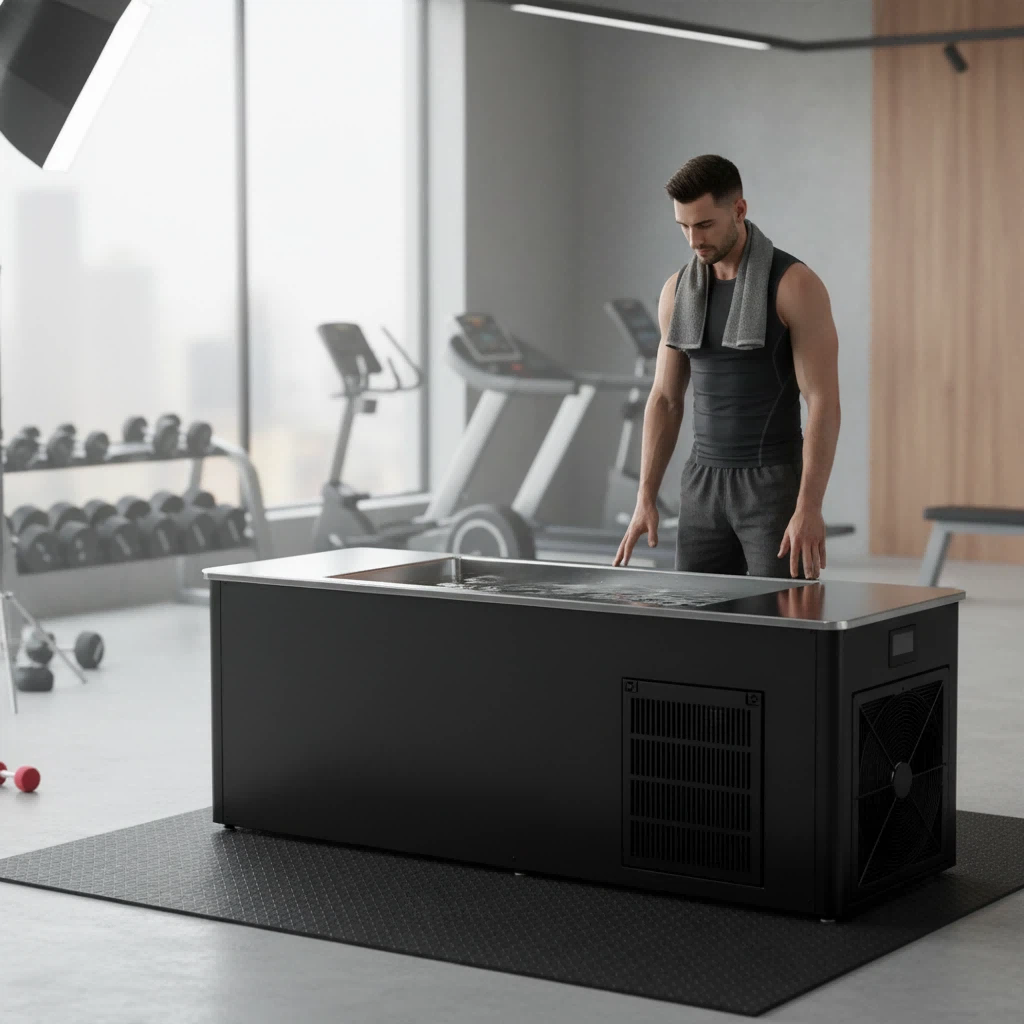
Ice Bath Fundamentals: Science, Setup, and Safe Initiation
Physiological Benefits of Ice Bath for Recovery and Resilience
When someone jumps into cold water after working out, their blood vessels tend to narrow down, cutting off some blood flow to the muscles. Research from the Journal of Physiology back in 2023 found this can actually lower those pesky inflammation markers by about 20%. What's interesting is how this helps speed up recovery too. The body gets better at flushing out all that metabolic garbage we accumulate during exercise, including stuff like lactate buildup. Plus, the cold water seems to kickstart our parasympathetic nervous system, helping our heart rates return to normal faster after intense workouts. People who regularly expose themselves to cold water also start producing more of these special cold shock proteins called RBM3, which basically make cells tougher against damage from free radicals. And there's another bonus nobody talks about much: when we get into cold water, our brains release endorphins and dopamine, which explains why many athletes report feeling happier and more tolerant of pain afterward. Long term tracking shows folks who stick with cold water therapy consistently see real improvements in how ready they feel for training sessions and overall physical adaptations over time.
Practical Protocol: Temperature, Duration, and Equipment Essentials
Newcomers need to keep water temps around 50-59 degrees Fahrenheit (about 10-15 Celsius) and check this regularly with a good digital thermometer to stay safe from getting too cold. Most folks start with short dips of 5 to 10 minutes, then slowly work their way up to about 15 minutes over the course of several weeks as their body gets used to the chill. What's needed? Insulated containers work best, though some people modify old stock tanks for this purpose. Non slip mats are a must, along with sturdy handrails for balance. After getting out, having those warm dry robes ready makes all the difference in warming back up properly. If someone starts feeling numb, struggles to breathe normally, or gets confused while in the water, they should definitely stop right away. To build a regular routine and help the brain adjust to these cold exposures, it helps to stick with specific times each day rather than randomly changing when sessions happen. Many find that doing these after workouts or first thing in the morning works well for consistency.
Strategic Ice Bath Timing: Aligning with Your Fitness Goals
Morning Ice Bath for Alertness, Mood, and Metabolic Activation
Cold water immersion first thing in the morning boosts norepinephrine levels quickly, which helps wake up the brain and improves focus almost instantly. People also report feeling happier after such baths thanks to endorphins kicking in, plus there's activation of brown fat tissues. Studies looking at when people take these baths found something interesting: folks who jump into icy water for just 3 to 5 minutes between 53 and 59 degrees Fahrenheit actually perform better cognitively around 15 percent more than those doing the same thing later in the day. Want to handle the initial cold shock? Try combining the plunge with deep breathing exercises. What happens next is pretty cool too – the body starts burning extra calories even after getting out of the tub, sometimes as many as 200 to 300 additional calories burned throughout the day, mostly because of all that brown fat working overtime to generate warmth.
Post-Workout Ice Bath for Inflammation Control and Muscle Recovery
Getting into cold water within half an hour after working out helps shrink blood vessels, which can cut down on inflammation from exercise by around 20% according to most sports medicine experts (as noted in the British Journal of Sports Medicine last year). When the body warms back up, blood flow brings away those pesky metabolic waste products like lactic acid much quicker, while cooler muscles don't get as sore later on. The best approach seems to be soaking the whole body up to the shoulders in water between 50 and 54 degrees Fahrenheit for about five to eight minutes. Recent studies show interesting results too: athletes who paired ice baths with compression gear recovered their strength and mobility about 30% faster compared to just resting afterwards. Makes sense why so many pro teams have made these recovery techniques part of their regular routine now.
Building a Sustainable Ice Bath Habit: Progression, Frequency, and Adaptation
Creating a lasting routine really depends on gradual exposure that works with how our bodies actually respond, not sticking to strict schedules or pushing too hard too fast. Start off with just one or two sessions a week when temps are between 10 and 15 degrees Celsius (about 50 to 59 Fahrenheit), keeping each session around 2 to 3 minutes long. After the first few shocks wear off, try adding an extra half minute each week. For most people, doing this 2 to 4 times weekly seems best, making sure there's at least two full days between sessions so the body doesn't get overwhelmed. Around three to four weeks in, things start changing noticeably. Brown fat becomes more active which helps regulate body temperature better, while the nervous system gets used to the cold so it feels less uncomfortable over time. Watch for these signs as they'll tell us when to adjust the plan:
- Progression milestones: Steady reduction in shivering intensity and faster respiratory normalization
- Adaptation signals: Diminished subjective discomfort and improved voluntary breath control
- Overtraining signs: Lingering numbness, prolonged fatigue, or disrupted sleep requiring frequency reduction
Consistency outweighs intensity–moderate, regular exposure yields superior long-term resilience compared to sporadic, extreme sessions. Prioritize real-time bodily feedback over prescriptive schedules, adjusting frequency based on training load and recovery capacity.
Ice Bath Safety: Contraindications, Monitoring, and When to Pause
Cardiovascular and Neurological Red Flags to Recognize
If someone starts feeling chest pain, their heart is beating strangely fast, gets sudden numbness anywhere on the body, speaks with slurred words, can't move properly, sees things that aren't there, or feels confused while in the bath, they need to get out right away and see a doctor. These symptoms might mean hypothermia is starting up or something called autonomic dysregulation is happening. People who have Raynaud's syndrome run a bigger risk of blood vessels narrowing too much in their extremities. For folks living with diabetes, extra caution is needed because nerve damage can make them less aware of temperature changes. Stop being immersed in water whenever breathing feels tough or dizziness doesn't go away after about two to maybe four minutes of warming back up.
Evidence-Based Precautions for Daily or Near-Daily Practice
Daily or near-daily protocols demand disciplined boundaries to prevent cumulative physiological strain. Evidence indicates that exceeding 10–15 minutes–even at moderate temperatures–increases hypothermia risk by 40% (American College of Sports Medicine, 2022). Adhere to this evidence-informed framework:
| Temperature Range | Max Duration | Frequency Guidance | Key Risk Mitigation |
|---|---|---|---|
| 15-18°C (59-64°F) | 15 minutes | ≤4x/week | Lowest barrier to entry for beginners |
| 10-15°C (50-59°F) | 10 minutes | ≤3x/week | Avoid within 2 hours of strength training |
| 4-8°C (39-46°F) | 3 minutes | ≤1x/week (experienced only) | Requires spotter supervision and prior acclimation |
Never schedule consecutive sessions below 10°C. Hydrate before and after immersion, and suspend practice during febrile illness or acute infection. Consult a physician before initiating regular cold exposure if managing hypertension, cardiovascular disease, or autoimmune conditions.
FAQ
What are the benefits of taking ice baths?
The benefits include reduced inflammation, quicker recovery, improved circulation, release of endorphins for mood enhancement, and increased resilience.
How should beginners start with ice baths?
Beginners should start with water temperatures between 50-59°F for 5-10 minutes and gradually increase duration over time. Regular monitoring and safety precautions are vital.
When is the best time to take ice baths?
Ice baths can be beneficial post-workout for inflammation control and in the morning for increased alertness and metabolic activation.
Are there any safety concerns with ice baths?
Yes, it's important to be aware of signs like numbness, breathing difficulties, or abnormal sensations. Individuals with cardiovascular issues should consult a physician before starting regular ice baths.

