
 EN
EN



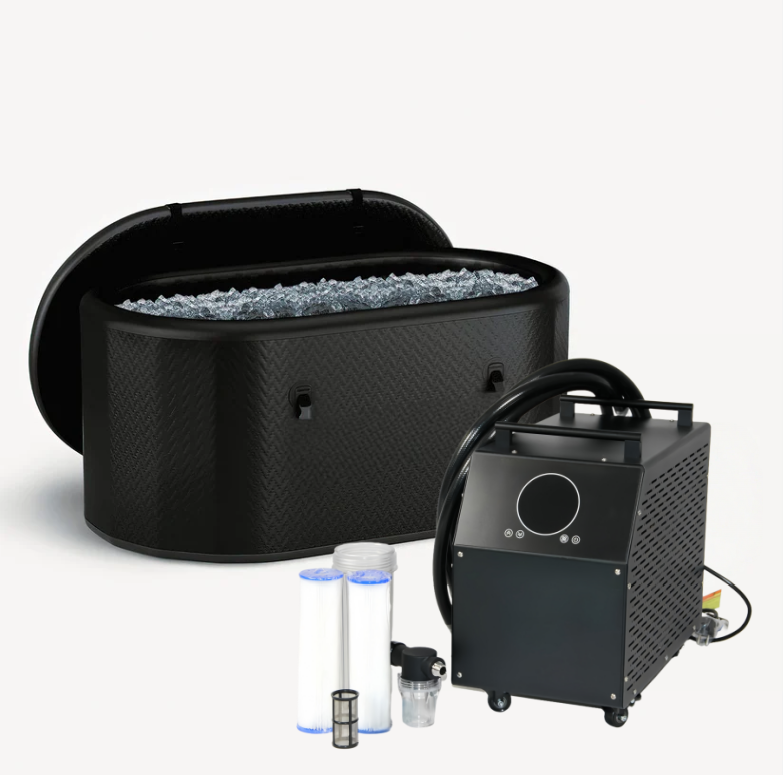
From Ice Buckets to Smart Cooling: The Rise of the Ice Bath with Chiller
Why Demand for Self-Chilling Ice Baths Is Surging in Professional and Home Recovery
Interest in self chilling ice baths has shot up dramatically across the globe. The numbers tell an interesting story: a whopping 925 percent increase in the UK and around 500 percent growth in the US since 2023. Younger folks especially seem to be getting on board with this trend as they focus more on their recovery routines after workouts. What we're seeing here is part of something bigger happening in the health and wellness world. People are moving away from traditional methods because who wants to deal with all that hassle of buying ice every day? Athletes and those into biohacking want systems that can maintain exact temperatures between 35 and 55 degrees Fahrenheit without any manual intervention. Gyms and fitness centers are catching onto this too. They're adopting these automated systems not just for convenience but also because it cuts down on staff time spent managing ice baths. Some facilities report saving anywhere from 40 to 60 percent on labor costs each year thanks to these new technologies.
How an Ice Bath with Chiller Works: Technology Behind Automated Cold Therapy
Modern ice bath chillers use a closed-loop refrigeration cycle:
- A compressor pressurizes refrigerant, raising its temperature
- Heat dissipates through condenser coils
- Expanded refrigerant absorbs heat via an evaporator submerged in water
This process enables continuous cooling without ice, maintaining ±1°C accuracy for up to 72 hours. Advanced models integrate IoT sensors and app controls, allowing users to preset temperatures and track therapy sessions.
The Shift from Temporary Ice Solutions to Permanent Temperature-Controlled Systems
85% of gyms and recovery clinics have replaced ice-dependent setups with permanent chilling systems since 2024. Key drivers include:
- Hygiene: Integrated UV filtration reduces bacterial growth by 90% compared to stagnant ice baths
- Energy Efficiency: New chillers consume 30% less power than earlier models
- Space Optimization: Compact units (24"x24" footprint) suit urban homes and studios
This transition marks the end of unreliable ice stockpiling and inconsistent recovery results, establishing the ice bath with chiller as the standard for modern cold therapy.
Manual Ice vs. Ice Bath with Chiller: A Practical and Performance Comparison
Cooling Efficiency: Speed, Consistency, and Maintenance Requirements
Ice baths done manually do cool down right away, but they just don't last long once the ice starts melting. The water temperature tends to go from about 5 degrees Celsius all the way up to around 15 degrees within half an hour. That's why many people are turning to chillers these days. Systems with chillers can keep the water pretty much exactly where you want it, staying within about 1 degree of your target temp for several hours straight. Take a standard 1 horsepower compressor for example it takes less than ninety minutes to bring 300 liters of water down to 3 degrees Celsius. And maintenance? Well, all that really needs doing is changing filters now and then instead of constantly buying bags of ice every day like traditional methods require.
User Experience and Safety: Hygiene, Accessibility, and Environmental Control
Handling ice introduces contaminants and uneven cooling zones that increase injury risks. Automated systems eliminate manual ice handling, with built-in UV filtration reducing bacterial growth by 99%. Users with mobility challenges benefit from preset timers and app-controlled adjustments, while precise temperature locks prevent accidental hypothermia.
Is Manual Ice Still Viable in Modern Recovery Routines?
Athletes who need cold therapy on a regular basis will spend anywhere from six hundred to twelve hundred dollars each year just buying ice. That's money that could be saved much faster with a good quality chiller, which typically pays for itself within six to eighteen months. When it comes to environmental impact, chillers win hands down. Making one ton of ice requires around thirteen hundred gallons of water, while chillers recycle their water through a closed system that doesn't waste nearly as much. Sure, manual ice is fine if someone only needs it once in a while, but when recovery happens multiple times per week, having consistent temperatures becomes really important for effective muscle recovery and injury prevention.
Key Benefits of Choosing an Ice Bath with Chiller Over Traditional Ice Methods
Precision Temperature Control for Optimal Recovery Results
Today's ice bath chillers keep water temps really close to what they're set at, usually within just 1 degree Fahrenheit or half a degree Celsius. That's way better than regular old ice baths which can swing around by 5 to 7 degrees. Keeping things so steady matters because cold therapy works best when temps stay between about 39 and 55 degrees Fahrenheit (4 to 13 Celsius). At these levels, muscles actually start healing faster from inflammation without getting dangerously cold. Some research published last year looked at athletes recovering after workouts and found those who used chillers bounced back 18 percent quicker compared to folks just throwing ice in their tubs. The difference? Consistent temperature control makes all the difference for proper recovery.
Time and Labor Savings with Automatic, On-Demand Cooling
Getting rid of all that hassle with buying, storing, and disposing of ice makes sense when we think about it. A standard 100 liter manual ice bath needs around 40 to 50 pounds of ice each time someone uses it. That adds up fast. Chillers handle the cooling process automatically, cutting down the setup time dramatically from almost an hour down to under five minutes. According to recent industry reports, most facility managers are now looking at chillers as their go to solution for saving money on staff hours. Commercial gyms report saving about seven hundred forty dollars every month just by not having to spend so much on ice anymore. Makes financial sense when you break it down like that.
Improved Hygiene and Water Quality Through Integrated Filtration
Advanced chillers incorporate UV sterilization and 10-micron filtration, reducing bacteria counts by 99.7% compared to untreated manual ice baths (Journal of Water Health, 2024). This allows 2-3 weeks of water reuse versus 48-hour replacement cycles for traditional setups.
Seamless Integration into Homes, Gyms, and Recovery Centers
Space-efficient chiller designs (<3 sq. ft footprint) and whisper-quiet operation (<50 dB) enable installation in closets, garages, or therapy rooms. Modular systems support multi-voltage compatibility (110V-240V) and drainless configurations, simplifying adoption across residential and commercial environments.
Cost Analysis: Is an Ice Bath with Chiller Worth the Investment?
Upfront Costs vs. Long-Term Savings on Ice Purchases and Labor
Commercial grade ice baths with chillers typically set someone back between eight hundred to two thousand five hundred dollars upfront. Traditional methods using regular ice are much cheaper though, costing anywhere from nothing at all to around two hundred bucks for a simple tub setup. But wait, there's a catch. People who rely on manual ice have to keep spending money every year on fresh ice purchases, usually somewhere between six hundred and twelve hundred dollars annually. That kind of money could actually cover the cost of getting a decent quality chiller within just two or three years. According to research published in the recovery industry sector last year, many athletes spend roughly twenty to thirty minutes each session dealing with all the hassle of ice management. When added up over a whole year, this amounts to well over fifty hours worth of work. On the other hand, modern chillers bring down ongoing costs dramatically, often bringing them down to sixty to one hundred twenty dollars per year thanks to their efficient cooling systems and built-in filters. These newer models basically cut out almost all those recurring ice costs, saving about ninety seven percent compared to old fashioned approaches.
Calculating ROI: When Your Chiller Pays for Itself
Break-even timelines vary by usage frequency:
- Daily users save $6,000+/year on ice, recovering chiller costs in <6 months
- 3x/week athletes break even in 8–12 months through avoided ice purchases and reduced muscle recovery downtime
- Weekly users see ROI in 12–36 months, with added savings from fewer injuries and medical treatments
Built-in temperature stability (0–3°C) and automated sanitation also reduce infection risks by 72% compared to traditional ice baths (Journal of Sports Medicine 2023), making chillers both economically and clinically advantageous for serious users.
How to Set Up an Ice Bath with Chiller: A Simple Installation Guide
Essential Components: Chiller Unit, Tub, Pump, and Filtration System
A properly configured ice bath with chiller requires four core components:
- Chiller unit: Maintains precise water temperatures (typically between 37°F–50°F) using compressor-based cooling.
- Insulated tub: Retains cold temperatures while minimizing energy consumption.
- Circulation pump: Moves water through the chiller at 200–400 GPH (gallons per hour) for consistent cooling.
- Filtration system: Removes contaminants and improves water clarity between sessions.
Most systems include hoses, clamps, and a power supply rated for outdoor use. High-end models add UV sterilization or ozone generators to further reduce bacterial growth.
Step-by-Step Setup for Reliable, Energy-Efficient Operation
- Position the chiller on a flat, ventilated surface at least 3 feet from walls to optimize airflow and cooling efficiency.
-
Assemble components:
- Connect hoses from the pump to the chiller’s inlet/outlet ports.
- Submerge the pump in the tub, ensuring it’s fully underwater to prevent airlocks.
-
Prime the system:
- Fill the tub until water covers the return port.
- Run the pump until air bubbles exit the hoses.
- Secure electrical connections using a GFCI outlet to prevent shocks, and test for leaks before setting your target temperature.
For maintenance, clean filters monthly and replace water every 2–4 weeks. Properly configured systems use 30–50% less energy than manual ice replenishment over 12 months (Energy Star guidelines).
FAQ
What is an ice bath with chiller?
An ice bath with chiller is a modern system that uses a refrigeration cycle to maintain precise, consistent water temperatures for cold therapy, reducing the need for manual ice.
How does an ice bath chiller work?
It uses a closed-loop refrigeration cycle where a compressor pressurizes refrigerant, which absorbs heat and cools the water continuously.
Are chillers cost-effective compared to manual ice baths?
Yes, while the upfront cost for chillers is higher, they reduce long-term expenses related to ice purchases and labor. They also offer savings on electricity and maintenance.
Is it easy to install an ice bath with chiller?
Yes, it involves setting up a chiller unit, an insulated tub, a pump, and a filtration system, with straightforward assembly instructions provided.
Do chillers provide better hygiene compared to manual ice baths?
Yes, chillers have integrated UV filtration systems that significantly reduce bacterial growth, offering a cleaner and safer cold therapy experience.
Can chillers be used in small spaces?
Absolutely. Chillers are designed with a compact footprint, making them suitable for homes, gyms, and recovery centers with limited space.
Table of Contents
- From Ice Buckets to Smart Cooling: The Rise of the Ice Bath with Chiller
- Manual Ice vs. Ice Bath with Chiller: A Practical and Performance Comparison
- Key Benefits of Choosing an Ice Bath with Chiller Over Traditional Ice Methods
- Cost Analysis: Is an Ice Bath with Chiller Worth the Investment?
- How to Set Up an Ice Bath with Chiller: A Simple Installation Guide
- FAQ

