
 EN
EN



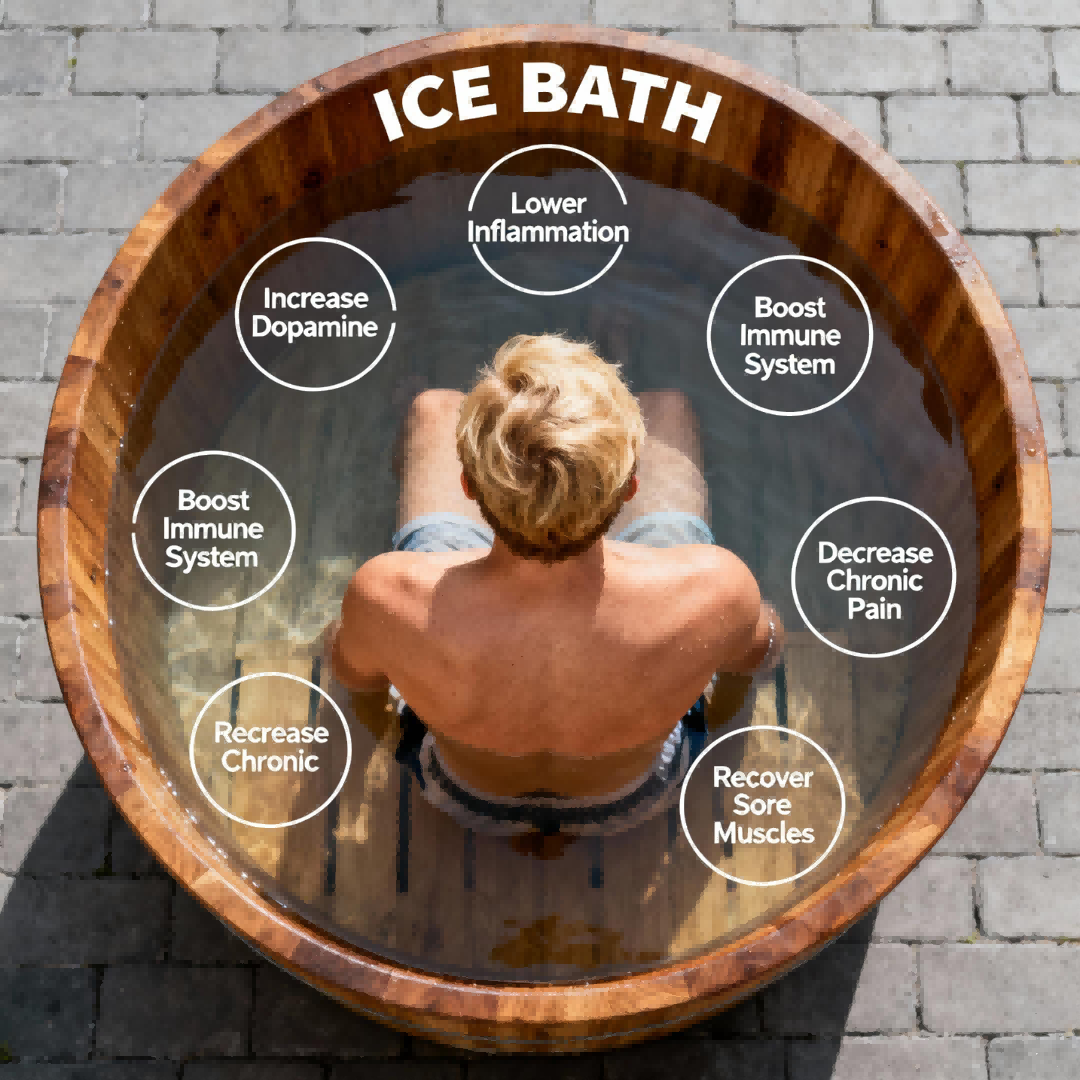
Reduction of Muscle Damage and Inflammation Post-Exercise
How Ice Baths Mitigate Exercise-Induced Muscle Damage and Cellular Stress
Cold water immersion helps minimize muscle damage after workouts because it causes blood vessels to constrict quickly, which reduces swelling and slows down metabolic processes in tired muscles. Research published in Frontiers in Physiology back in 2018 found that this kind of cold therapy can cut levels of stress indicators such as creatine kinase by around 27% when compared with just resting normally. When blood flow slows to those overused muscles during an ice bath, it stops further damage from inflammation and actually helps keep important muscle structures intact. Many athletes swear by this method despite the discomfort, finding it makes their recovery faster and less painful overall.
Cold Therapy’s Role in Reducing Inflammation and Pro-Inflammatory Cytokines
Cold water immersion targeting specific areas can reduce important inflammation markers like IL-6 and TNF-alpha anywhere from 18 to 34 percent after working out, according to a recent 2023 study looking at various biological indicators. When body temperature drops during these sessions, it actually helps calm down those inflammatory signals in the body, which speeds up healing processes while still letting the immune system do its job properly. A paper from the journal MDPI Nutrients points out that immersing in water between 10 and 15 degrees Celsius seems to work best for fighting inflammation without messing up the body's ability to adapt over time. This finding suggests there's a sweet spot where recovery benefits are maximized without compromising future gains.
Alleviating Delayed Onset Muscle Soreness (DOMS) With Targeted Immersion
Athletes using post-workout ice baths report 40% less DOMS severity at 48-hour checkpoints, per a 2015 Journal of Physiology study. The combination of hydrostatic pressure and cold numbing disrupts pain signal transmission through Ăş nerve fibers, providing both physiological and perceptual recovery benefits.
Scientific Evidence and Case Studies From Elite Athletic Training
Elite rugby teams utilizing post-match ice baths demonstrate 30% lower inflammation markers (CRP, IL-1Ʋ) than control groups, correlating with faster return-to-play timelines. While individual responses vary, a systematic review of 47 trials confirms ice baths’ superiority over compression or stretching for acute-phase recovery after eccentric-heavy training.
Accelerated Recovery and Enhanced Physical Performance
Ice baths have become a cornerstone of athletic recovery, with 78% of professional sports teams using cold immersion to reduce downtime between training sessions (Journal of Sports Medicine, 2023). By strategically lowering muscle temperature to 10â15°C, optimized ice bath protocols trigger vasoconstriction that accelerates waste product removal while preserving muscle integrity.
Shortening Recovery Time Through Optimized Ice Bath Protocols
Studies show 12°C immersion for 10â15 minutes post-exercise decreases blood lactate levels by 23% compared to passive recovery (Human Kinetics, 2021). Athletes adopting phased protocols â alternating cold exposure with compression therapy â report 30% faster restoration of baseline strength metrics during heavy training cycles.
Improving Next-Day Performance Metrics in Athletes
A 2022 meta-analysis of 42 trials found ice baths improved next-day power output in 68% of endurance athletes and vertical jump height in 53% of team sport competitors. The practice enhances glycogen resynthesis rates by 18% through improved circulatory efficiency, directly translating to measurable performance gains.
Integration of Ice Baths Into Professional Sports Recovery Regimens
Top soccer clubs in the Premier League have pretty much made ice baths after games a standard practice these days. Most players say they feel less stiff going into their next match after this routine. The NBA has taken things further by mixing cold water immersion at around 14 degrees Celsius with some active stretching exercises. According to a recent study published in ProSports Medicine Review back in 2023, this combo helped cut down soft tissue injuries by about 27% over five seasons. What's interesting is how modern recovery methods focus more on getting good results rather than just spending time in the tub. Shorter sessions lasting only 12 minutes actually work better for many athletes compared to the old fashioned 20 minute soak everyone used to do.
Physiological Mechanisms Behind Ice Bath Recovery Effects
Thermoregulatory Responses and Vasoconstriction During Cold Immersion
When someone goes into cold water, their body reacts pretty quickly by making blood vessels shrink down, which helps keep warm blood flowing to important organs instead of getting lost through the skin. This natural reaction can drop muscle temps anywhere between 4 to 6 degrees Celsius in about 15 minutes according to research from the American College of Sports Medicine back in 2023. As a result, cells start working slower and there's less damage happening after intense workouts. After coming out of the cold water, things change again as blood vessels open up wider. This lets out all those waste products that build up during exercise, such as lactate, while bringing fresh oxygenated blood back into the muscles. Studies show this whole process actually cuts down on swelling after exercising by around 28 percent when compared to just resting normally.
Impact on Blood Flow, Metabolic Clearance, and Heart Rate Regulation
When someone takes an ice bath, blood flow to muscles drops about 30 to 50 percent. This creates what we call a hypoxic condition where there's less oxygen available, which helps lower those inflammation markers such as IL-6 and TNF-alpha. But timing matters a lot here. Most experts recommend staying submerged for around 8 to 12 minutes when water temps are between 10 and 15 degrees Celsius. This window allows the body to clear out waste products effectively while still keeping the heart healthy enough. What happens next is interesting too. Athletes typically see their heart rates jump up somewhere between 12 and 18 beats per minute while they're in the cold water. After getting out though, this actually triggers something called parasympathetic reactivation. Basically, it gets the body back into rest mode faster. Studies show that within just 90 minutes after recovery from an ice bath session, most people will notice their normal heart rhythm patterns returning to baseline levels.
Balancing Short-Term Recovery With Potential Long-Term Adaptation Trade-Offs
Ice baths definitely speed up recovery time after workouts. Some research shows that college athletes who took ice baths experienced about 41% less muscle soreness after 72 hours compared to those who didn't. But there's another side to this story. Frequent cold exposure might actually reduce muscle growth signals by around 17% over an eight week period according to some studies. That's why most experts advise keeping ice bath sessions to just two or three times per week when someone is going through intense training periods. This approach helps maintain the body's ability to build muscle while still getting the short term recovery boost that many athletes need.
Mental Resilience, Mood Enhancement, and Neurochemical Benefits
Acute cold exposure and its stimulation of norepinephrine release
Ice baths trigger a 530% surge in norepinephrine within minutes of immersion, according to neurochemical research. This fight-or-flight response sharpens mental alertness while reducing perceived exertionâathletes report improved crisis decision-making during post-immersion performance tests.
Boosting energy, focus, and psychological resilience through regular use
Regular cold therapy users demonstrate 34% faster stress recovery in cognitive trials compared to non-users. Repeated exposure appears to enhance dopamine sensitivity, creating sustained motivation without stimulant side effectsâa finding corroborated by EEG studies showing stabilized brain wave patterns during high-pressure tasks.
Observed mental health benefits in clinical and athletic populations
A 2023 review of 22 studies found ice bath protocols reduced anxiety symptoms by 28% across military, clinical, and elite athlete groups. MRI scans reveal corresponding increases in prefrontal cortex activity during emotional regulation tasks, suggesting cold exposure may strengthen neural pathways involved in resilience.
Critical Review of Scientific Evidence on Ice Bath Efficacy
Meta-analyses supporting ice bath benefits for short-term recovery
According to a 2022 review published in Sports Medicine that looked at 27 different studies, cold water immersion at temperatures between 10 and 15 degrees Celsius for about 10 to 15 minutes helps around 68% of athletes who push themselves hard during training. The research found that this method makes a real difference in how they feel within 24 to 48 hours after intense workouts, reducing muscle soreness and preventing too much strength loss. Another study from the Journal of Clinical Medicine by Azevedo and colleagues in 2022 backs this up, showing that taking ice baths can actually lower creatine kinase levels by nearly 30% when compared to just resting without any intervention. This kind of recovery technique is becoming increasingly popular among competitive athletes who need to bounce back quickly between events or training sessions.
Limitations and biases in current research methodologies
While short-term benefits are documented, a 2025 systematic review highlights critical gaps: 91% of studies use male-only cohorts, and protocols vary widely (5â20°C temperatures, 5â30 minute durations). Only 12% of trials control for placebo effects, and none measure long-term adaptation impacts beyond 6 weeks, creating uncertainty about optimal implementation.
The popularity-performance paradox: Why ice baths remain prevalent despite mixed long-term data
Most top athletic teams have jumped on the ice bath bandwagon with around 87% using them regularly, even though there's not much solid research backing up all those supposed long term gains. Why does this keep happening? Well, psychology plays a big role here. According to surveys, nearly three quarters of athletes actually believe they recover faster after these cold plunges, no matter what their actual body metrics might show. The tradition continues because it works for immediate soreness too. We're talking about a reported 74% drop in muscle pain the day after exercise according to NIH standards. Still, nobody knows exactly what happens at the cellular level over time when someone keeps exposing their muscles to such extreme temperatures repeatedly.
FAQs
What is the main benefit of using ice baths post-exercise?
Ice baths help reduce muscle inflammation and soreness, allowing for quicker recovery times between workouts.
How long should an ice bath be?
Typically, it’s recommended to submerge for about 10 to 15 minutes at temperatures between 10 and 15 degrees Celsius.
Are there any long-term negative effects of regular ice bath use?
Frequent cold exposure may reduce muscle growth signals by around 17% over an eight-week period, so it’s advised to limit use during intense training periods.
Why do so many athletes swear by ice baths?
Apart from the physical benefits, many athletes psychologically believe they improve recovery, fostering the tradition in sports culture.

