
 EN
EN



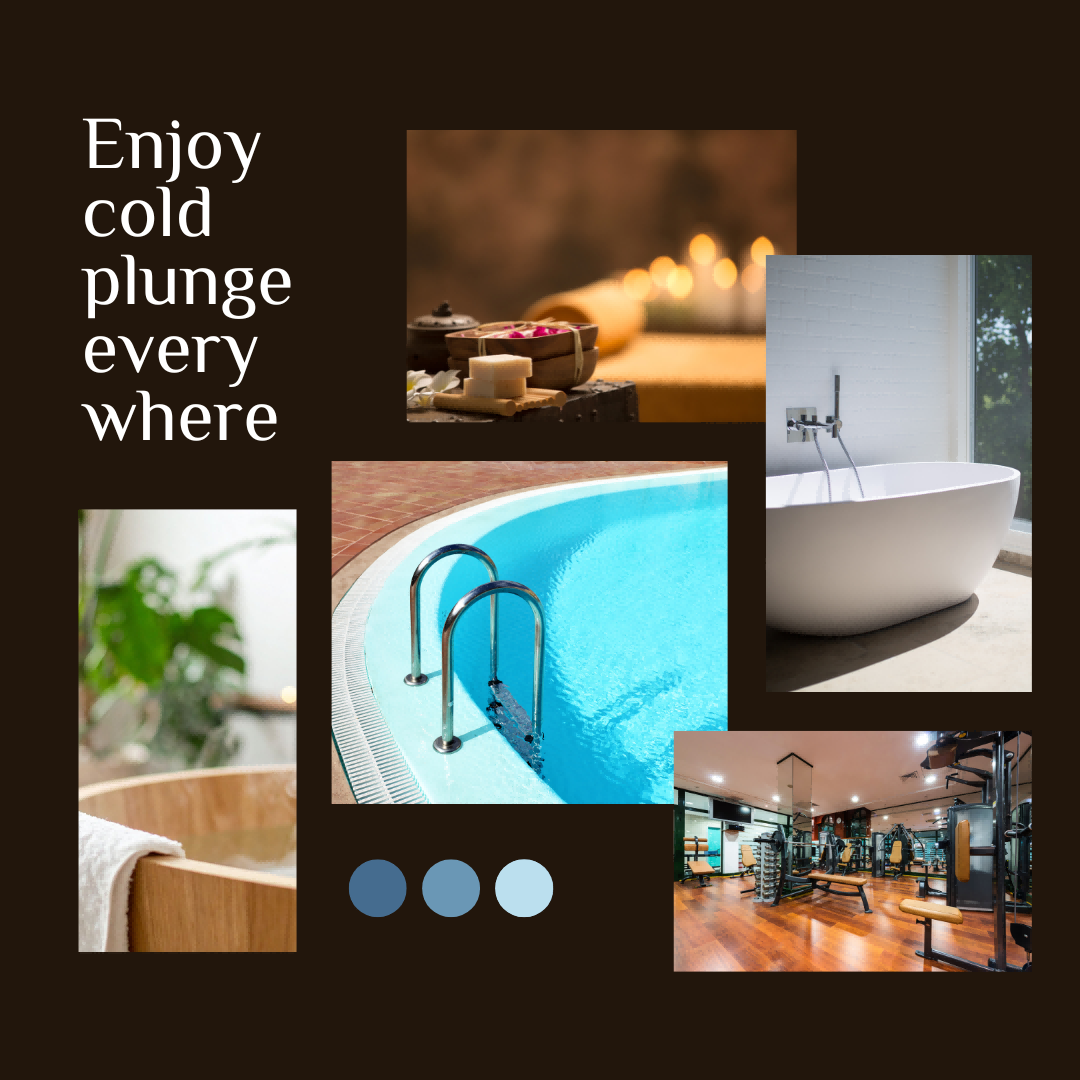
What Is Cold Plunging and How Does a Chiller Enhance the Experience?
When someone goes for a cold plunge, they basically submerge their body in water ranging from around 37 degrees Fahrenheit to about 55 degrees Fahrenheit. This practice kickstarts several bodily reactions including less inflammation and better blood flow throughout the system. Traditional approaches rely on adding ice manually, which can be quite tedious. Modern setups now feature chillers that take care of temperature management automatically through refrigeration tech. The way these work is pretty straightforward actually – water gets circulated through a compressor powered cooling device that takes away excess heat and keeps things at just the right temperature. Industry professionals who deal with cooling systems say that such equipment cuts down power usage by roughly 40 percent when compared to old fashioned ice methods. Plus, nobody has to keep refilling ice anymore, which saves both time and money in the long run.
The Role of Precise Temperature Control in Recovery Pools with Chillers
Consistent water temps are really important for athletes and people into wellness when it comes to getting the most out of cold therapy treatments. Modern chiller systems come equipped with digital thermostats that keep things pretty stable, usually within about plus or minus one degree Fahrenheit. According to a recent study on thermal efficiency back in 2023, almost all (like 93%) of those high end recovery centers that use chillers saw better results over time than just relying on regular old ice baths. The main advantage here is avoiding what's called thermal shock, which happens when water temperature jumps around too much during a session. This makes the whole experience not only safer but actually works better for helping muscles recover after intense workouts or competitions.
Active Chiller Systems vs. Passive Ice Baths: Reliability and Consistency
Passive ice baths face three key limitations:
- Temperature drift (rising 5°F–10°F per hour)
- Inconsistent cooling across the tub
- Labor-intensive maintenance
Active chiller systems overcome these issues with uninterrupted cooling cycles. Unlike ice baths, which require 100–200 lbs of ice per session, chillers operate with significantly less water waste and minimal user intervention. This reliability makes them ideal for daily use and long-term recovery regimens.
Cold Plunge with Chiller for Athletic Recovery and Performance
Evidence-Based Benefits of Cold Water Immersion for Post-Exercise Recovery
Studies show cold water immersion at 50–59°F reduces exercise-induced muscle soreness by up to 50% within 24 hours. The chiller’s ability to maintain optimal therapeutic ranges enhances this effect. Key benefits include:
- Reduced inflammation through vasoconstriction
- Faster removal of metabolic waste products
- Decreased perceived muscle fatigue in 85% of athletes (Cheng et al., 2017 meta-analysis)
Optimal Timing and Duration of Cold Plunges in Training Cycles
| Experience Level | Temperature Range | Duration | Recovery Window |
|---|---|---|---|
| Beginners | 55–59°F | 2–3 minutes | Post-competition |
| Advanced Users | 50–54°F | 4–5 minutes | High-intensity training days |
Research indicates plunging within 30 minutes post-exercise maximizes recovery benefits while minimizing interference with muscle adaptation.
Case Study: Elite Sports Teams Using Cold Plunge with Chiller for Recovery
A leading NBA team reported 30% faster recovery times after implementing chiller-equipped plunge pools in 2023. Players completed 5-minute sessions at 52°F immediately after games, combined with compression therapy. The system’s rapid cooling allowed 23 athletes to cycle through treatments within 90 minutes—unachievable with traditional ice baths.
Controversy Analysis: Does Frequent Cold Plunging Impair Muscle Adaptation?
Emerging research suggests excessive cold exposure (≥5 sessions weekly at ≤50°F) may reduce hypertrophy by 12–18% in strength athletes (Journal of Sports Science, 2023). However, strategic use shows no negative impact on endurance athletes. Most sports physiologists recommend limiting sessions to 3–4 per week during peak training phases.
Wellness, Mental Resilience, and Immune Benefits of Regular Cold Plunge with Chiller Use
Cold plunge with chiller systems offer transformative benefits beyond physical recovery, enhancing mental resilience, immune function, and daily wellness. Precision temperature control ensures safe exposure to therapeutic cold ranges (8–12°C), unlocking three key advantages for users committed to holistic health.
Cold Water Therapy and Its Impact on Mood, Alertness, and Stress Resilience
When someone jumps into cold water, their body releases about 18 to 34 percent more norepinephrine, which helps boost mental focus and control emotions better. The shock of cold acts as a kind of training for our nerves, teaching them how to handle everyday stresses without getting overwhelmed. People who regularly do cold plunges often notice they recover from stressful situations around 40% quicker than those who don't try it at all. According to a recent study on mental toughness published in 2025, folks who made cold immersion part of their routine saw their anxiety levels drop by nearly 30% after just eight weeks. This happens because the body gradually gets used to the stress response triggered by the cold exposure.
Long-Term Immune Function Improvements From Consistent Cold Exposure
People who regularly participate in cold water therapy tend to see real improvements in their immune systems. Studies from Syochi Labs back this up, showing around 14% more lymphocytes floating around in the bloodstream and about 22% better activity from monocytes. These are the good guys in our body fighting off bad stuff. The result? People who stick with it generally get sick less often during flu season, with research indicating roughly 37% fewer cases compared to those who don't practice consistently. According to recent findings, the biggest immune system boost happens when folks spend between four to six minutes in cold water that's under 13 degrees Celsius. For those who have been doing this for a while, temperatures closer to 10 degrees seem to work best, though beginners might want to start a bit warmer.
Cold Plunge as a Tool for Mental Toughness and Daily Wellness Routines
Incorporating cold plunge sessions into morning routines provides psychological "stress inoculation"—82% of regular users report improved task persistence during high-pressure work scenarios. The practice also supports circadian rhythm regulation, with 68% of users achieving faster sleep onset when combining evening core temperature drops (around 1°C) with consistent cold exposure schedules.
Safe and Effective Use: Guidelines for Cold Plunge with Chiller Sessions
Recommended Temperatures and Exposure Times for Safety and Effectiveness
To get the most out of cold plunges, keep the water temperature somewhere between 50 and 59 degrees Fahrenheit using a good quality chiller. This range offers the right mix of healing effects without going overboard on safety concerns. Newcomers might want to begin with just one or two minutes in the water, then slowly work their way up to around five to ten minutes once they build some tolerance. Going for shorter sessions under three minutes cuts down on the risk of getting too cold, but people still experience recovery benefits. The body starts working on reducing muscle soreness and blood flow actually improves during these brief immersions too.
Cold Plunge Safety for Beginners: Avoiding Hypothermia and Shock
New users should follow three critical safeguards:
- Gradual acclimation: Begin at milder temperatures (55–59°F) for 30-second intervals
- Body monitoring: Exit immediately if experiencing shivering, numbness, or rapid breathing
- Breathing protocols: Use paced diaphragmatic breathing (4-second inhale, 6-second exhale) to stabilize heart rate
Never plunge alone, and warm up gradually afterward by layering clothing rather than using direct heat sources.
Who Should Avoid Cold-Water Immersion? Medical Contraindications
Approximately 24% of adults have conditions that warrant caution, including:
- Cardiovascular issues (hypertension, arrhythmia)
- Peripheral neuropathy or Raynaud’s disease
- Pregnancy (due to fetal circulation risks)
A 2023 Johns Hopkins review advises against cold plunges for those with unmanaged autoimmune disorders, as prolonged vasoconstriction may worsen symptoms. Always consult a physician before beginning any cold therapy regimen.
Home vs. Commercial Cold Plunge with Chiller Setups: Practical Considerations
How to Set Up a Cold Plunge with Chiller at Home: Space, Power, and Maintenance
For home installation, most systems need around 10 to 15 square feet of space either inside or outside the building, plus connection to standard 120V or 240V power sources. Contemporary chilling units typically keep temperatures between 50 and 55 degrees Fahrenheit using compressors ranging from half horsepower to full horsepower, which usually draws somewhere between 1.2 and 2.5 kilowatt hours each day. When shopping for equipment, look for tanks made from materials that resist corrosion like acrylic or stainless steel, especially when combined with good filtration systems this cuts down on how much maintenance is needed throughout the week. Compared to traditional ice baths, modern chillers take away all those hassles of constantly adding fresh ice every single day while delivering consistent results over time without breaking down unexpectedly.
Cost-Benefit Analysis: Owning vs. Using Commercial Cold Plunge Facilities
Commercial-grade systems cost $15k–$30k—3–5 times more than home units ($5k–$8k)—but serve 50+ users weekly at $10–$25 per session. Facility users save $1,200+ annually compared to $800–$1,500 in home energy and maintenance costs. Clinical recovery centers report 93% user retention with chilled plunges versus 67% for ice baths, justifying the higher infrastructure investment.
Maintenance Tips for Long-Term Cold Plunge with Chiller Functionality
Clean filters every two weeks and test water pH (ideal range: 7.2–7.8) to prevent bacterial growth. Drain and refill tubs monthly using non-chlorinated shock treatments, and lubricate O-rings quarterly. Commercial operators should service 2+ HP compressors every 500 runtime hours; neglecting maintenance increases failure risk by 40%.
FAQs
What temperature should a cold plunge with a chiller be?
The optimal temperature range for a cold plunge with a chiller is between 50 and 59 degrees Fahrenheit.
How long should I stay in the cold plunge?
Beginners should start with 2–3 minutes, while advanced users can go up to 4–5 minutes.
Can anyone use a cold plunge with a chiller?
Not everyone should use a cold plunge. It's not recommended for individuals with certain health conditions such as cardiovascular issues, Raynaud’s disease, or those who are pregnant.
How often can I use a cold plunge with a chiller?
The suggested frequency is 3–4 times per week, especially during peak training phases for athletes.
What are the benefits of using a chiller for cold plunges?
Chillers improve temperature control, reduce the need for ice, and increase the efficiency and consistency of cold plunges, enhancing the overall recovery experience.
Table of Contents
- What Is Cold Plunging and How Does a Chiller Enhance the Experience?
- The Role of Precise Temperature Control in Recovery Pools with Chillers
- Active Chiller Systems vs. Passive Ice Baths: Reliability and Consistency
- Cold Plunge with Chiller for Athletic Recovery and Performance
- Wellness, Mental Resilience, and Immune Benefits of Regular Cold Plunge with Chiller Use
- Safe and Effective Use: Guidelines for Cold Plunge with Chiller Sessions
- Home vs. Commercial Cold Plunge with Chiller Setups: Practical Considerations
- FAQs

