
 EN
EN



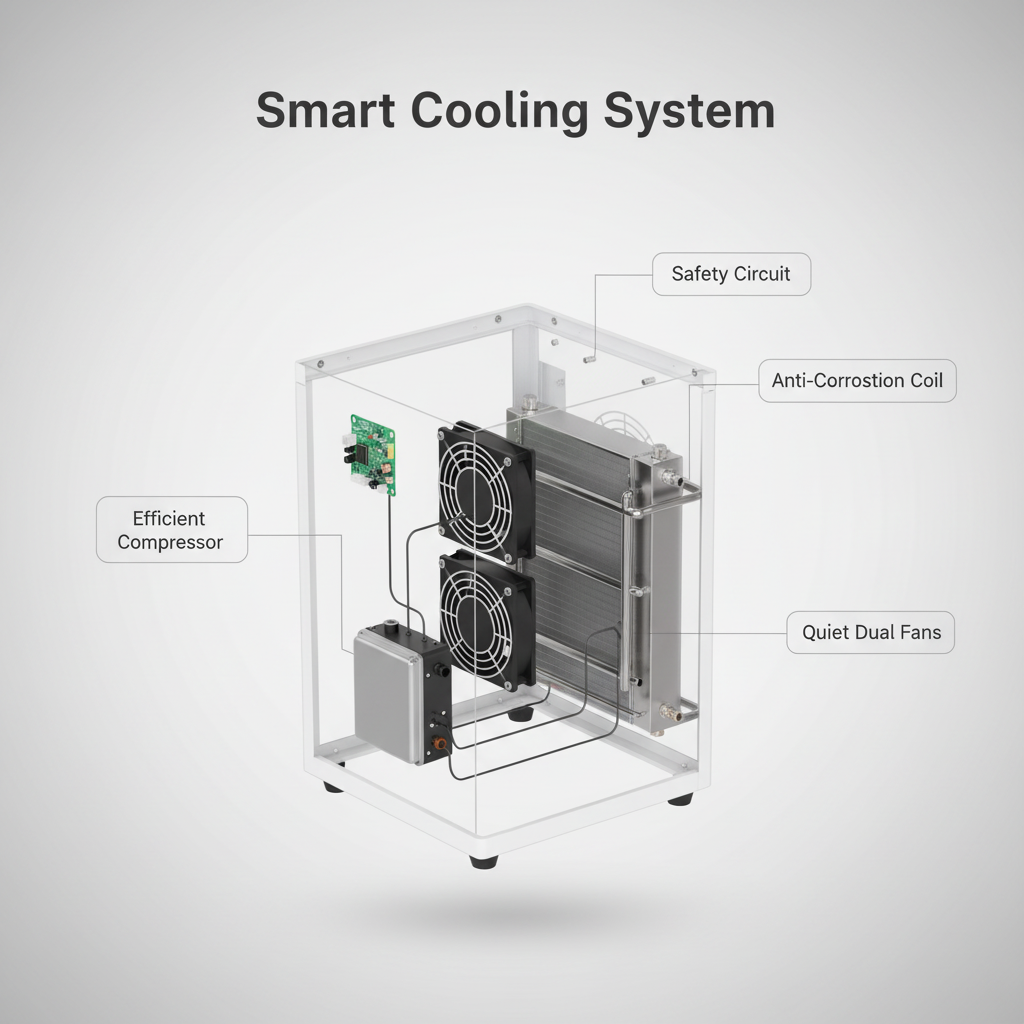
Cold Plunge Chiller Troubleshooting: Diagnosing Core Operational Failures
Chiller won’t start: Verifying power supply, control board integrity, and safety interlocks
When something isn't working right, start with the basics of power supply first. Check if outlets are actually functioning using a multimeter, look around at those circuit breakers to see if any have tripped, and make sure the voltage is within normal ranges, usually either 110 volts or 220 volts depending on what the equipment requires. The control board deserves close attention too. Burnt looking parts or signs of corrosion can be spotted with a quick visual inspection. Error codes displayed on these boards often point directly to what's wrong. Safety interlocks such as flow sensors and door switches tend to create all sorts of problems where systems shut down when they shouldn't. Testing continuity across these components makes sense, though sometimes technicians will temporarily bypass them just to narrow down possible causes. According to a recent 2023 report from the HVAC industry, nearly half (about 42%) of all chiller breakdowns come down to electrical problems, which is why going through each power related step methodically matters so much. Remember to stick closely to what manufacturers recommend for checking components, otherwise there's a good chance warranty coverage could get voided.
Inconsistent or inaccurate temperature control: Identifying sensor drift, refrigerant issues, and alarm triggers
When cooling systems start acting strangely, it usually means either the sensors are going bad or there's something wrong with the refrigerant. Temperature probes need calibration at least once a year because when they drift more than 1 degree Celsius in either direction, they should be replaced. Dirty sensors account for around 30 percent of all false alarms we see in the field. Refrigerant levels that are running low show themselves through frost forming on coils or those telltale hissing noises. Systems can lose as much as 60% efficiency when this happens, so getting a pro to seal leaks and recharge is essential. Keep an eye on those alarm messages too. Things like "low flow" or "overpressure" warnings often point right to clogged filters or refrigerant issues. To keep cold plunge chillers running smoothly, track temperature changes every week. This helps spot developing problems before they turn into major breakdowns that cost time and money to fix.
Cold Plunge Filter Maintenance: Preventing Clogs and Restoring Flow
Recognizing filter clogging symptoms: Pressure drop, reduced water flow, and thermal lag
Keep an eye on pressure gauges when they start showing values around 15 to 20 percent above what's normal. That's usually the first sign something's blocking the flow. Operators will notice weaker water jets coming out during regular operations too. When it comes to thermal issues, look out for slow temperature recovery after using the system at full capacity. Particles build up over time and this causes problems in two main ways. First, it puts extra strain on the pumps, which can lead to premature wear. Second, these particles get in the way of proper heat transfer throughout the system. If these warning signs get ignored, things can go from bad to worse pretty quickly. Pumps might end up burning out completely, and the whole cooling process becomes unreliable, leading to inconsistent results across different parts of the operation.
Cleaning and replacement protocols for paper and internal filters
Paper or disposable filters need replacing roughly once to three times per month depending how much they get used. The rule of thumb is to swap them out when performance starts dropping. For those stainless steel filters that can be reused, give them a good rinse under strong running water at least once a week. A gentle scrub with a soft brush works well too. Mineral buildup is another concern so soaking these heavy mineral filters in citric acid about once a month helps keep things clean. Just mix up a solution where water makes up ten parts for every one part citric acid. Safety first always applies here folks. Make sure to turn off the whole system and cut off the water supply completely before starting any kind of maintenance work. Trying to push debris through blocked filters just wears down pumps faster than necessary. Most equipment makers suggest keeping track of when replacements happen so nobody forgets later on down the road.
How Filter Failures Cascade into Cold Plunge Chiller Malfunctions
Flow restriction – air purge failure – pump cavitation – unstable cooling
When filters get clogged, they create serious flow problems right away. Pumps then have to work much harder against increased hydraulic resistance. What happens next? Water moves too slowly through the system to effectively clear out those pesky air pockets that build up in the lines. As these air pockets accumulate, they lead to pump cavitation. Basically, this means tiny vapor bubbles form and then collapse violently on the impeller blades inside the pump. The resulting vibrations mess with how heat gets transferred properly, which throws off the whole refrigerant cycle. Systems start experiencing temperature swings that go beyond plus or minus 3 degrees Fahrenheit. And don't forget about compressor short cycling either. Components just wear out faster when this kind of thing keeps happening repeatedly over time.
Particulate-induced false low-flow alarms and chiller shutdowns
When filters get damaged, contaminants tend to build up in places they shouldn't be, like flow sensors or tight spots in the tubing. What happens next is pretty misleading for the system. Even though the pumps are working fine, it looks like there's not enough flow going through. The newer cold plunge chillers and filtration units actually see this situation as something serious, which causes them to shut down completely when they really shouldn't. Take calcium buildup for instance. Just a thin layer of about 0.03 inches on those sensor surfaces can drop their accuracy by nearly half. And that means sudden emergency stops happen even when everything else seems okay. Checking those filters regularly helps avoid all these false alarms and keeps operations running smoothly without unexpected interruptions.
Water Quality as a Diagnostic Indicator for Cold Plunge Chiller and Filter Health
Keeping track of water quality gives valuable information about how well cold plunge chillers and filters are working. When water gets cloudy or smells off, it usually means filters are starting to get clogged long before pressure changes actually impact flow rates. Mineral deposits we see on surfaces tend to mean similar buildup inside heat exchangers, which is one of the main reasons chillers lose efficiency over time. Testing water regularly helps spot pH problems or sudden jumps in conductivity readings that tell us when filters need replacing before bigger issues develop. Most facilities run monthly tests if they use their systems heavily, and every three months works for setups that aren't used as frequently. This kind of regular checking catches small problems in filtration and cooling systems before any warning lights go on or parts start failing, which keeps equipment running longer and maintains safety during immersions. Looking at water samples thoroughly shifts maintenance strategies away from fixing things after breakdowns happen toward preventing problems before they occur.
FAQ
How do I know if a chiller’s sensor needs replacing?
Sensors need calibration at least once a year. If a sensor drifts more than 1 degree Celsius in either direction, it generally needs replacing.
What are common symptoms of filter clogging in chillers?
Common symptoms include a pressure drop detected by gauges, reduced water flow, and slow temperature recovery during operations.
Why can false low-flow alarms occur?
False low-flow alarms may occur due to filter damage and subsequent particulate build-up in sensors, which misleads the system into thinking there’s inadequate flow.
How often should paper filters be replaced?
Paper filters should be replaced roughly once to three times per month, depending on usage.
Why is regular water quality testing necessary for chiller maintenance?
Regular water testing detects changes in pH and conductivity, helping to identify filter or system issues before they become major problems.

